


IASR 43(9), 2022【THE TOPIC OF THIS MONTH】Measles in Japan as at July 2022
PDF download(PDF:528KB)
The topic of This Month Vol.43 No.9(No. 511)
Measles in Japan as at July 2022
(IASR Vol. 43 p201-203: September 2022)
Measles is an acute infectious disease caused by measles virus infection, with the main symptoms being fever, rash, and catarrh. The measles virus is highly infectious. Measles can be transmitted not only by droplet or contact infection but also by airborne transmission. Because the measles virus also infects immune cells, it suppresses the immune function of infected persons and causes complications in various organs. Respiratory (pneumonia, otitis media, laryngotracheobronchitis) and gastrointestinal (diarrhea, stomatitis) complications are frequent. Neurological complications are less common but more severe, and include acute disseminated encephalomyelitis, which appears within about two weeks of infection; measles inclusion body encephalitis, which occurs at about six to 12 months; and subacute sclerosing panencephalitis (SSPE), which has a poor prognosis and appears several years to several decades after infection. The World Health Organization (WHO) reported that at least 140,000 people died from measles in 2018, with the majority being children under five years of age (https://www.who.int/news-room/fact-sheets/detail/measles).
On the other hand, measles is considered an infectious disease that can be eliminated because an effective vaccine is available, subclinical infections are rare, accurate diagnostic methods are available, and humans are the only natural host of the measles virus, and the WHO aims to eliminate measles. In 2005, the Regional Committee of the WHO Western Pacific Region (WPR), to which Japan belongs, passed a resolution to eliminate measles from the WPR (see p.213 of this issue). In response, Japan introduced a two-dose measles-containing vaccine vaccination schedule (1st dose stage and 2nd dose stage) in 2006. Furthermore, in December 2007, the Ministry of Health, Labour and Welfare (MHLW) issued the “Guidelines for the Prevention of Specific Infectious Diseases: Measles” (final revision in April 2019, hereinafter referred to as the “Guidelines”), and to strengthen the immunity of teenagers who were the primary demographic affected in the domestic outbreak at the time, measures to eliminate measles were strengthened, including the implementation of a five-year (2008-2012 fiscal years) supplementary vaccination program for students in the first year of junior high school (3rd round) and third year of high school (4th round). These measures have led to a substantial decrease in measles case-patients since 2009, and in 2015, Japan was certified as measles-free by the Regional Verification Committee of the WHO WPR. This status has been confirmed and certified through 2020, with the committee currently verifying the status for 2021.
Measles notification under the National Epidemiological Surveillance of Infectious Diseases system
Measles is a category V infectious disease under the Infectious Diseases Control Law. In 2008, when measles became a notifiable disease, there were 11,013 cases notified. Since then, the number of notified cases ranged from 35 to 744 through 2019, with 744 cases reported in 2019, the highest number since 2009. In 2020, the number of notified cases decreased substantially to 10, and in 2021, the lowest number of notifications was recorded (6 cases) since measles became notifiable (Fig. 1 and Fig. 2).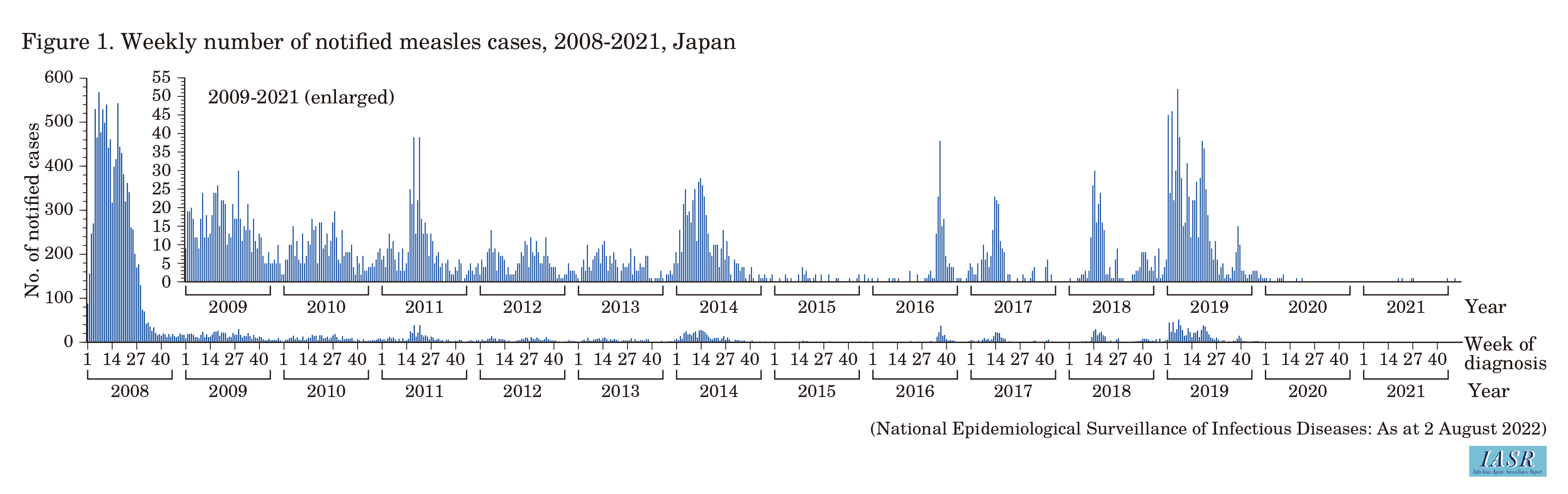
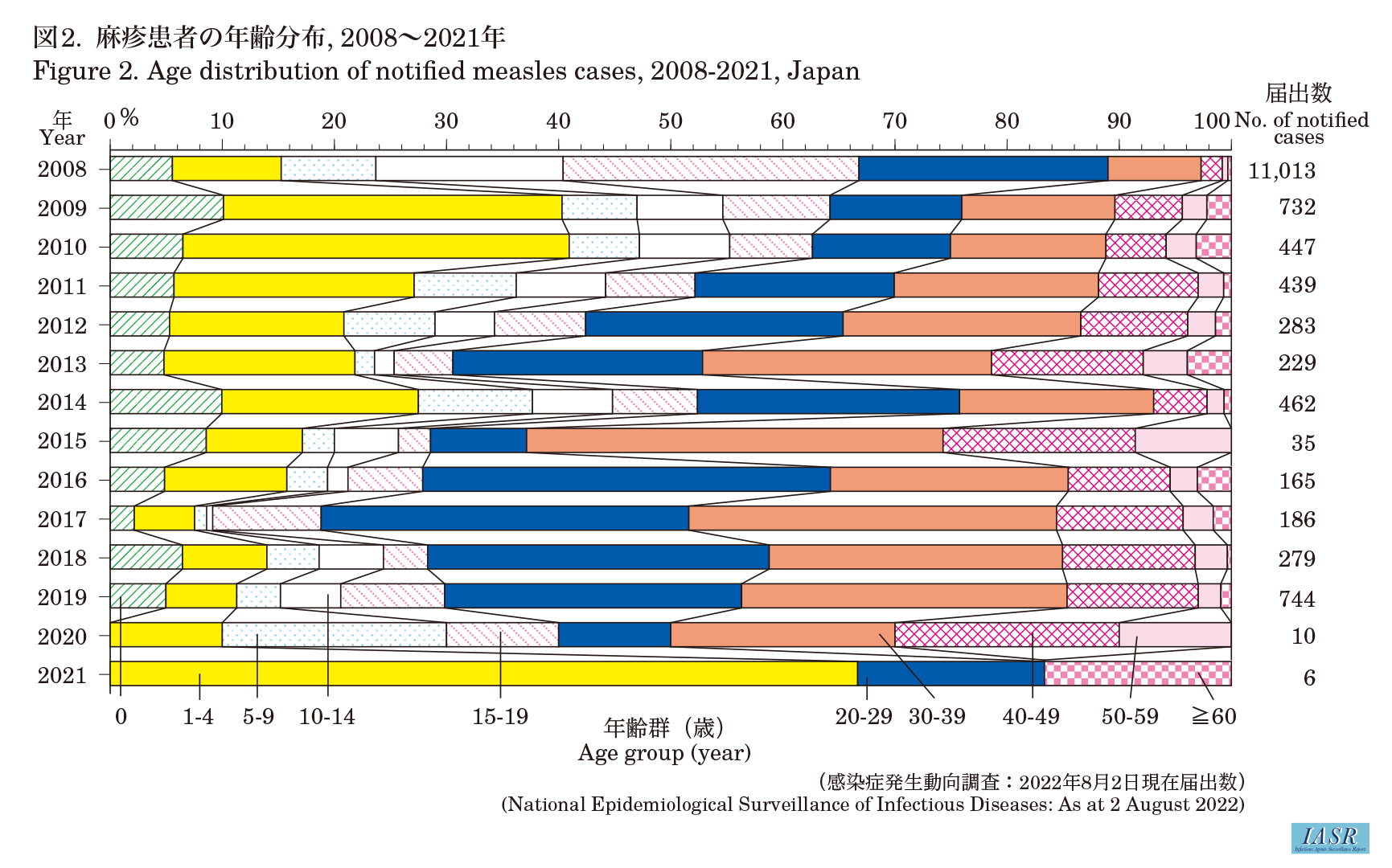
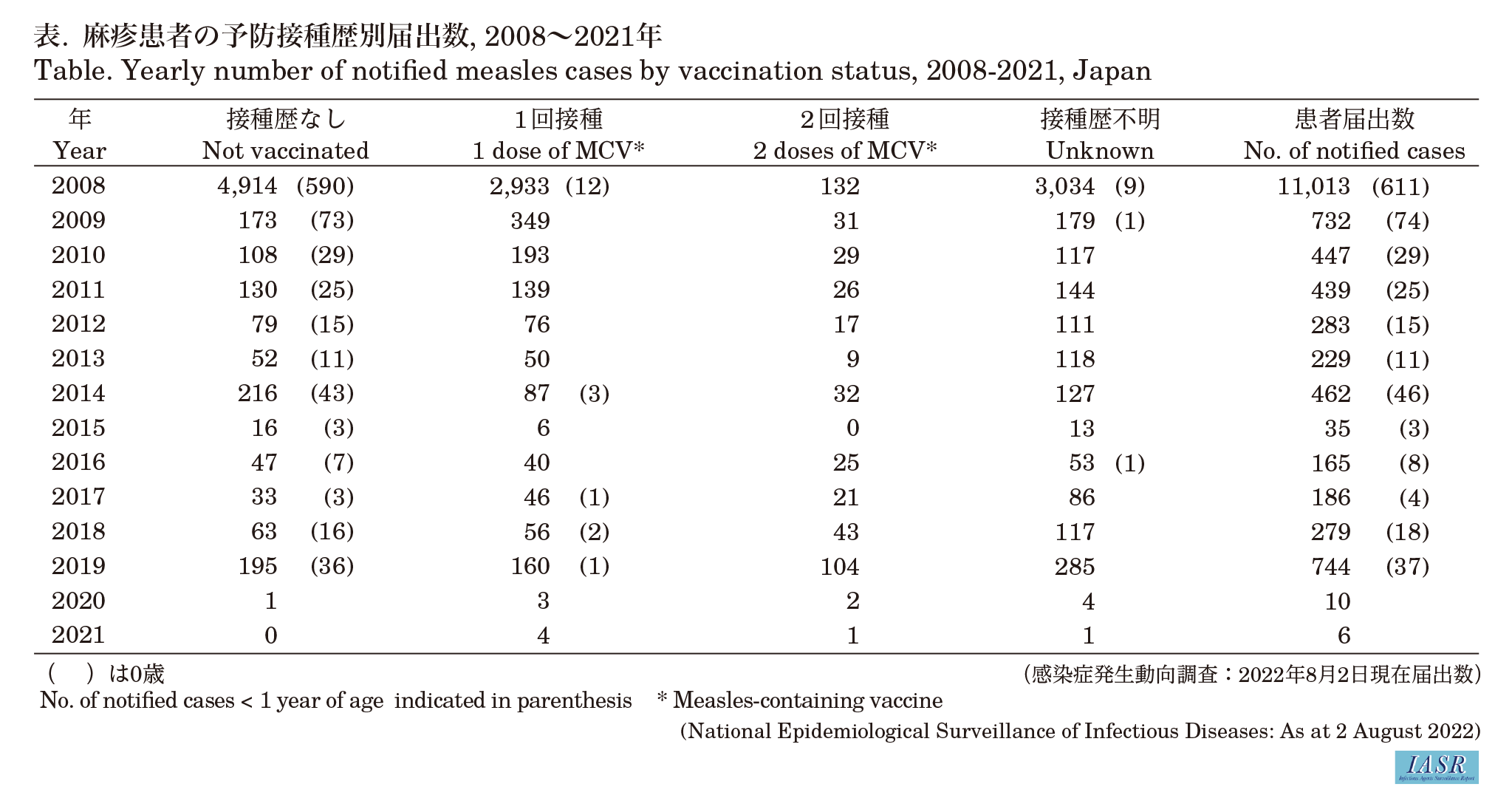
In terms of the disease classification for the case-patients reported in 2021 (n=6), 2 of 6 (33%) were modified measles, which are atypical laboratory-confirmed cases with only one or two of the three main symptoms (fever, rash, catarrhal symptoms). One case was notified based solely on a clinical diagnosis, with no laboratory diagnosis. The presumed place of infection was Japan for five cases and Pakistan for one case. Regarding age distribution, four case-patients were aged 1-4 years and two were aged 20 years or older (Fig. 2). As for the vaccination history, four cases had one dose, one case had two doses, and one case had an unknown vaccination history; none of the cases were less than 1 year of age, an age group not yet eligible for routine vaccination (Table).
Current practice regarding laboratory diagnosis
As a rule, the Guidelines mandate that both the IgM antibody test and a virus-specific RNA detection test be administered to all clinically-diagnosed suspected measles cases. Specimens for IgM antibody testing are sent from medical institutions to private laboratories, and specimens for RNA detection testing are sent from medical institutions to primarily the Prefectural and Municipal Public Health Institutes (PHIs) for testing.
In 2021, 5 of 6 cases were reported as laboratory-diagnosed cases, with only one being positive on RNA detection testing (see p.204 of this issue). The Guidelines recommend real-time RT-PCR for detecting the viral gene, and positive specimens should be analyzed for the 450 bases of the genotyping site on the measles virus N gene. The obtained nucleotide sequence is used not only for genotyping but also for differentiation from vaccine strains, confirmation of links in outbreaks, and differentiation between imported and non-imported cases (see p.205 of this issue).
Detection of measles virus (Infectious Agents Surveillance System)
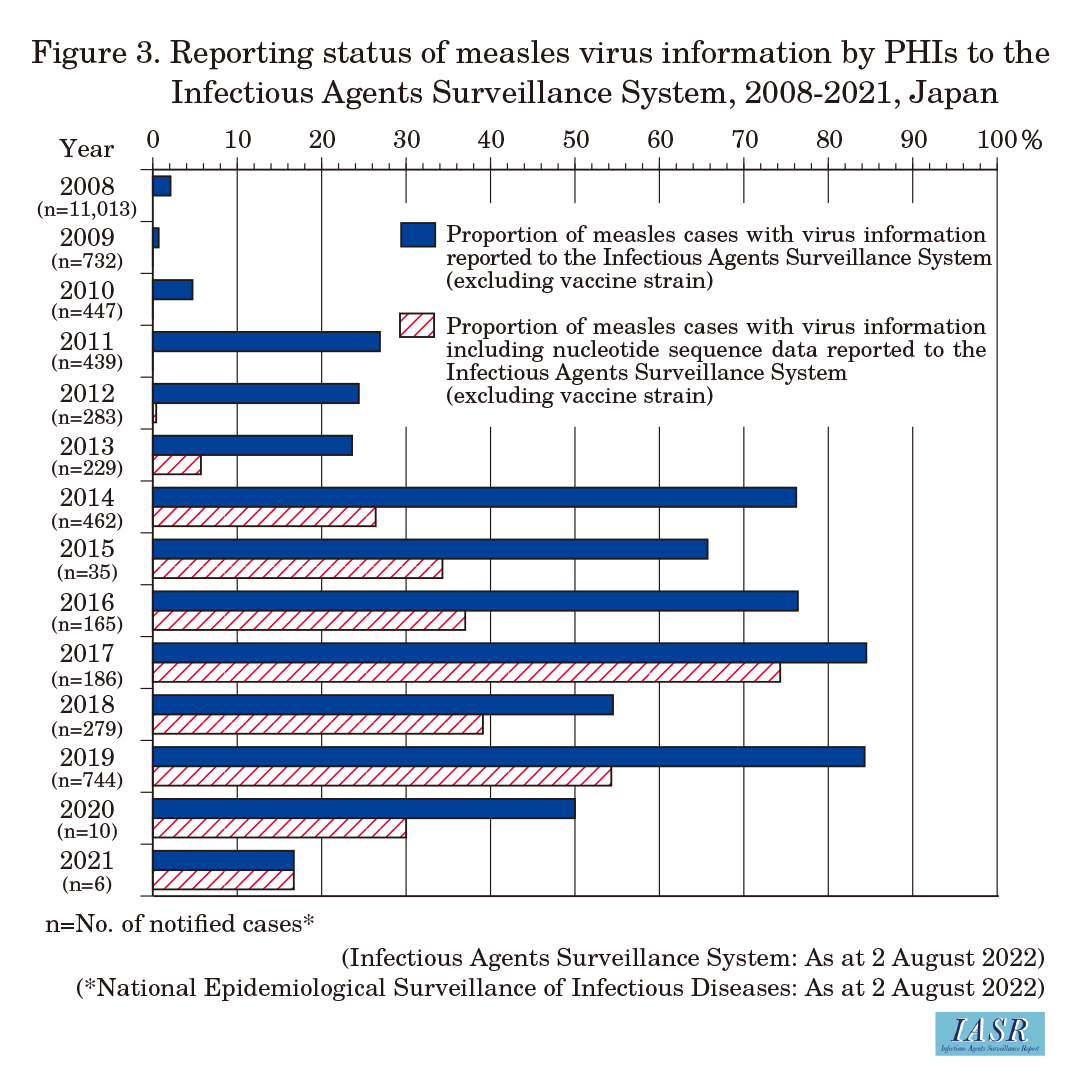
In 2021, only one case (6 total measles cases), excluding vaccine strains, was reported to the National Epidemiological Surveillance of Infectious Diseases (NESID) system’s Infectious Agents Surveillance System following viral gene detection at the PHI (Fig. 3). The reported viral genotype was classified as B3.
Vaccination coverage
Since fiscal year (FY) 2006, a 2-dose vaccination scheme using the measles and rubella (MR) vaccine has been implemented as a routine immunization program and is ongoing to date. In FY 2020, the vaccination coverage (including measles single-antigen vaccination) was 98.5% for the 1st dose and 94.7% for the 2nd dose (https://www.mhlw.go.jp/bunya/kenkou/kekkaku-kansenshou21/dl/211203-01.pdf). Although the overall coverage of the 1st dose exceeded the target of 95%, the coverage in one prefecture remained between 90% and 95%. The overall coverage of the 2nd dose had the highest immunization coverage in the last five years, exceeding 90% for 13 consecutive years, but was slightly short of 95%. In addition, all prefectures had immunization coverage of at least 90%, but only 27 had coverage higher than 95%.
National Epidemiological Surveillance of Vaccine-Preventable Diseases (NESVPD)
In FY 2021, the NESVPD measles seroprevalence survey was conducted in 19 prefectures by measuring the measles gelatin particle agglutination (PA) antibody titer at their respective PHIs (see p.206 of this issue). Blood samples were collected, as a rule, from July to September 2021. The results showed that 98.5% of individuals aged two years and older had a measles PA antibody titer of ≥16. After declining to 69.8% in FY 2020, the percentage of one-year-olds with antibodies increased by 5.7 percentage points to 75.5% (Fig. 4).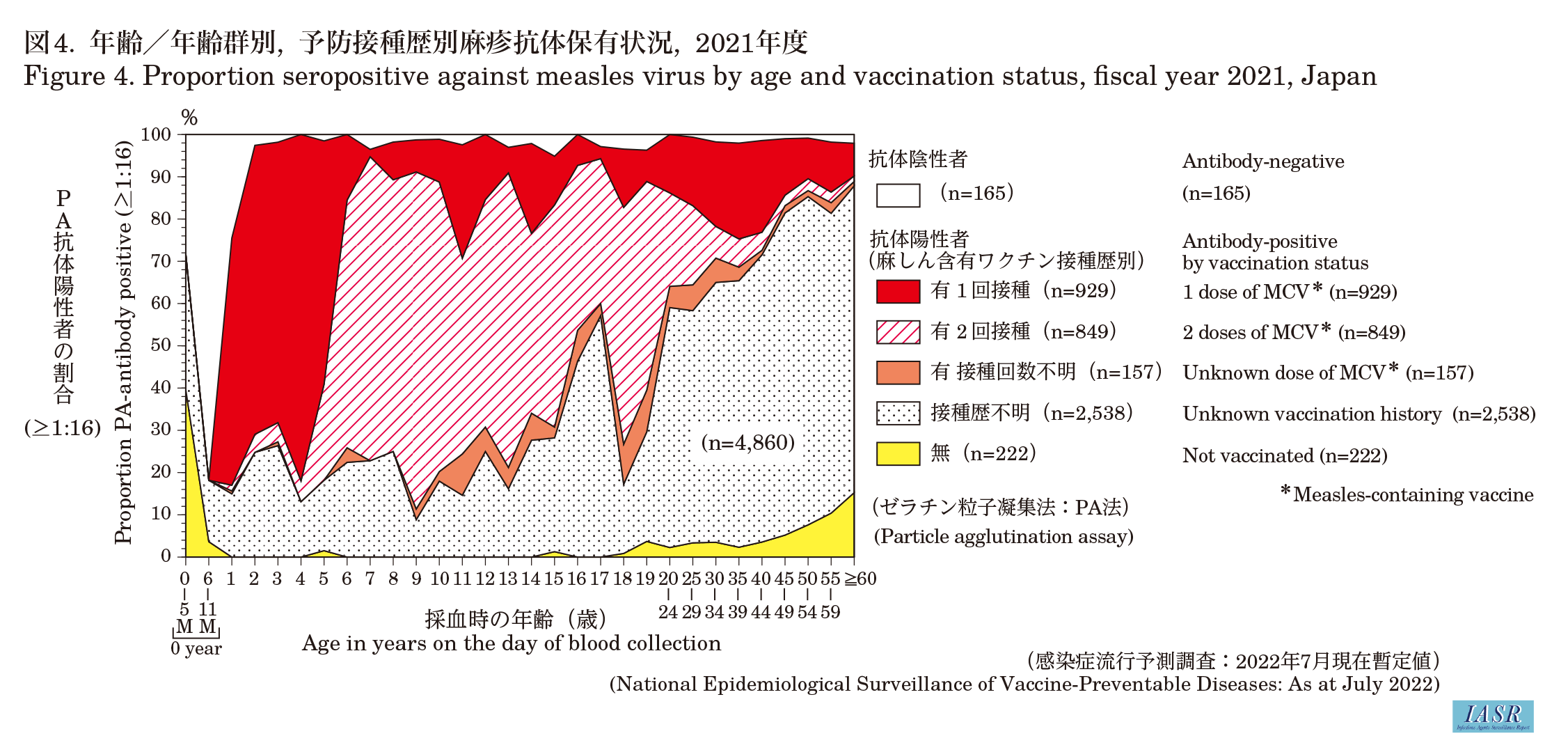
Further measures to be taken
In 2019, 541,247 measles cases were reported globally, but the number has since declined substantially to 59,168 in 2021. It is thought that the decrease in human traff ic due to the COVID-19 pandemic since 2020, together with basic hygiene measures, have contributed to the control of measles circulation. However, measles is still circulating in many countries, particularly in the African region (see pp.208 and 209 of this issue).
The number of visitors to Japan, which reached approximately 32 million in 2019, declined considerably to approximately 4.11 million in 2020 and 250,000 in 2021 (https://www.jnto.go.jp/jpn/statistics/since2003_visitor_arrivals.pdf). The risk of measles introduction by visitors to Japan is believed to have decreased since 2020. In recent years, most measles occurrences have been or linked to imported cases (see p.204 of this issue), with the number of notified cases decreasing sharply from 744 in 2019 to 10 in 2020 and 6 in 2021. However, the acceptance of visitors to Japan resumed in June 2022, and the risk of importing measles is expected to increase in the future. Since it is diff icult to prevent the entry of the measles virus from overseas, it is essential to prepare an environment in which infection does not spread even if measles is brought in. To achieve this goal, as outlined in the Guidelines, the following efforts are required: 1) maintain a vaccination coverage of 95% or higher for the routine vaccination of two doses and maintain a high antibody positivity level; 2) maintain a surveillance system based on rapid and definitive diagnostic methods in order to detect case-patients early and take appropriate measures to prevent the spread of infection; 3) recommend vaccination as necessary to medical personnel who are at high risk of infection, those who work in airports and other workplaces where there are many opportunities for contact with numerous unspecified persons, and those who work in child welfare facilities and schools where many cases may occur if the measles virus is brought in. In addition, detailed analysis of the viral genes is also important to facilitate eff icient surveillance activities. In viral genetic analysis, the sequence of 450 bases on the N gene has been used to confirm epidemiological links, but in recent years, viruses with the same sequence in the genotyping site currently used have increased, and instances in which epidemiological links cannot be suff iciently proven by analysis of genes in this region alone is increasing worldwide. In the future, it will be important to consider more detailed genetic analysis methods for surveillance activities (see p.205 of this issue). Moreover, sharing information between medical facilities and local governments (and among local governments) and promoting international cooperation will be crucial for eff icient implementation of surveillance activities (see pp.210 and 211 of this issue)