

IASR 43(10), 2022【THE TOPIC OF THIS MONTH】HIV/AIDS in Japan, 2021
PDF download(PDF:629KB)
The topic of This Month Vol.43 No.10(No. 512)
HIV/AIDS in Japan, 2021
(IASR Vol. 43 p221-223: October 2022)
HIV/AIDS surveillance in Japan began in September 1984. It was conducted under the AIDS Prevention Law from February 1989 to March 1999, and has been operating under the Infectious Diseases Control Law since April 1999. Under the law, physicians are required to report all diagnosed cases (notification criteria: https://www.mhlw.go.jp/bunya/kenkou/kekkaku-kansenshou11/01-05-07.html). The data presented in this article are based on the 2021 annual report of the National AIDS Surveillance Committee (published by the Tuberculosis and Infectious Diseases Control Division, Ministry of Health, Labour and Welfare (MHLW), https://api-net.jfap.or.jp/status/japan/nenpo.html).
For surveillance purposes, newly diagnosed HIV-infected cases are classified into two categories, “HIV cases” and “AIDS patients” (hereafter, “AIDS cases”) (see footnote* on p.222). From 1985 to 2021, the cumulative number of notified cases (excluding cases attributed to coagulating agents) was 23,231 for “HIV cases” (20,640 males, 2,591 females) and 10,306 for “AIDS cases” (9,421 males, 885 females) (Fig. 1). According to the Nationwide Survey on Coagulation Disorder (as at 31 May 2021), the cumulative number of coagulating-agent-related HIV infection cases was 1,440, including 732 deaths. Globally, it is estimated that in 2021, 38.4 million people were living with HIV, 1.5 million people became newly infected with HIV, and 650,000 people died from AIDS-related illnesses (UNAIDS Fact Sheet 2022; https://www.unaids.org/en/resources/fact-sheet).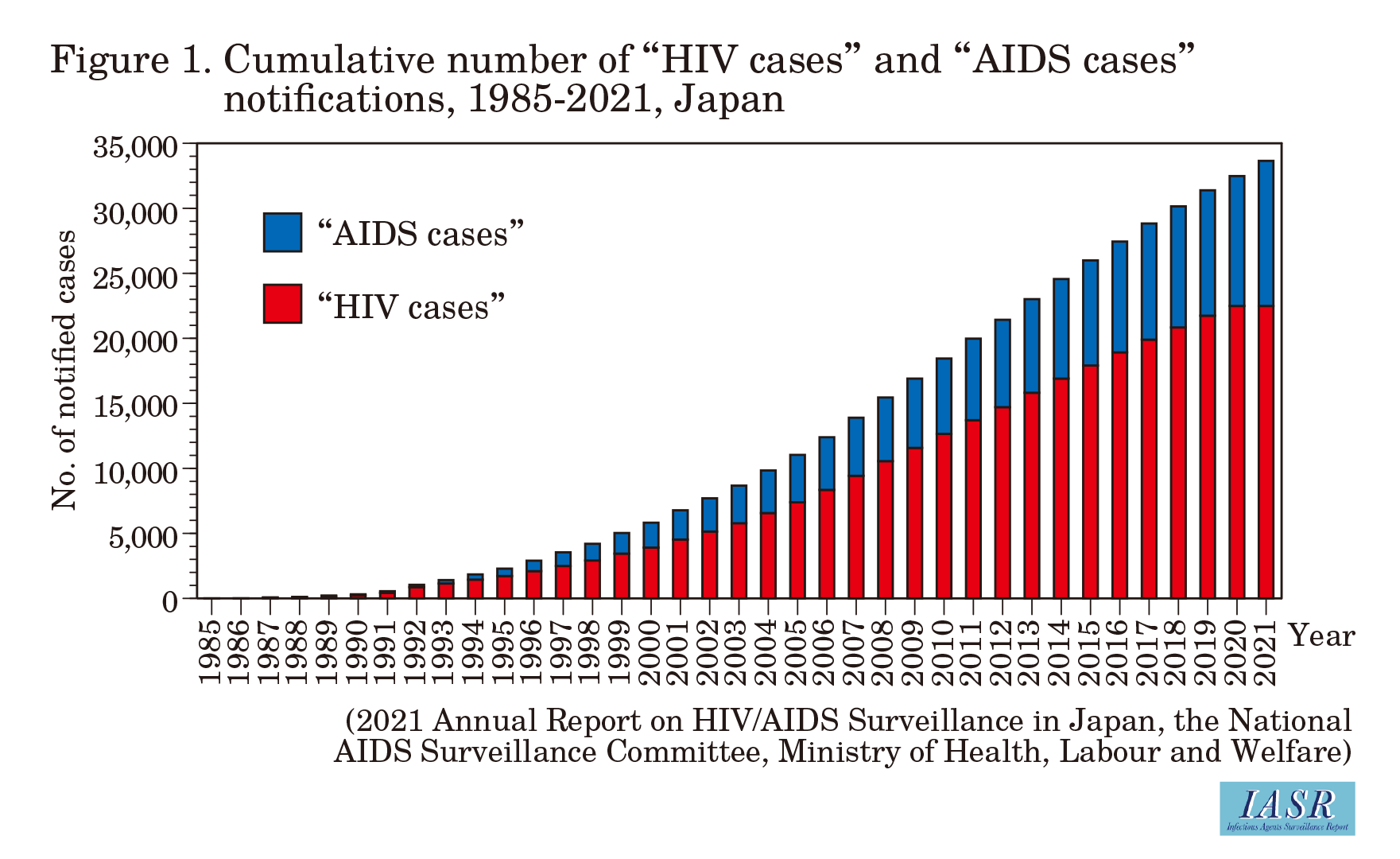
“HIV cases” and “AIDS cases” notified in Japan in 2021
In 2021, there were 742 new notifications of “HIV cases” (712 males, 30 females) and 315 new notifications of “AIDS cases” (300 males, 15 females) (Fig. 2). While the annual number of newly notified “HIV cases” and “AIDS cases” had been on the decline in recent years, the annual number of newly notified “HIV cases” decreased substantially by 153 cases in 2020 from the previous year, and decreased by 8 cases in 2021 from the previous year. The annual number of newly notified “AIDS cases” increased for the first time in four years in 2020 but decreased again in 2021 from the previous year. The proportion of new “AIDS cases” to the sum of new “HIV cases” and new “AIDS cases” was 29.8% in 2021, a decrease from 2020 (31.5%) but still high compared to 2019 (26.9%).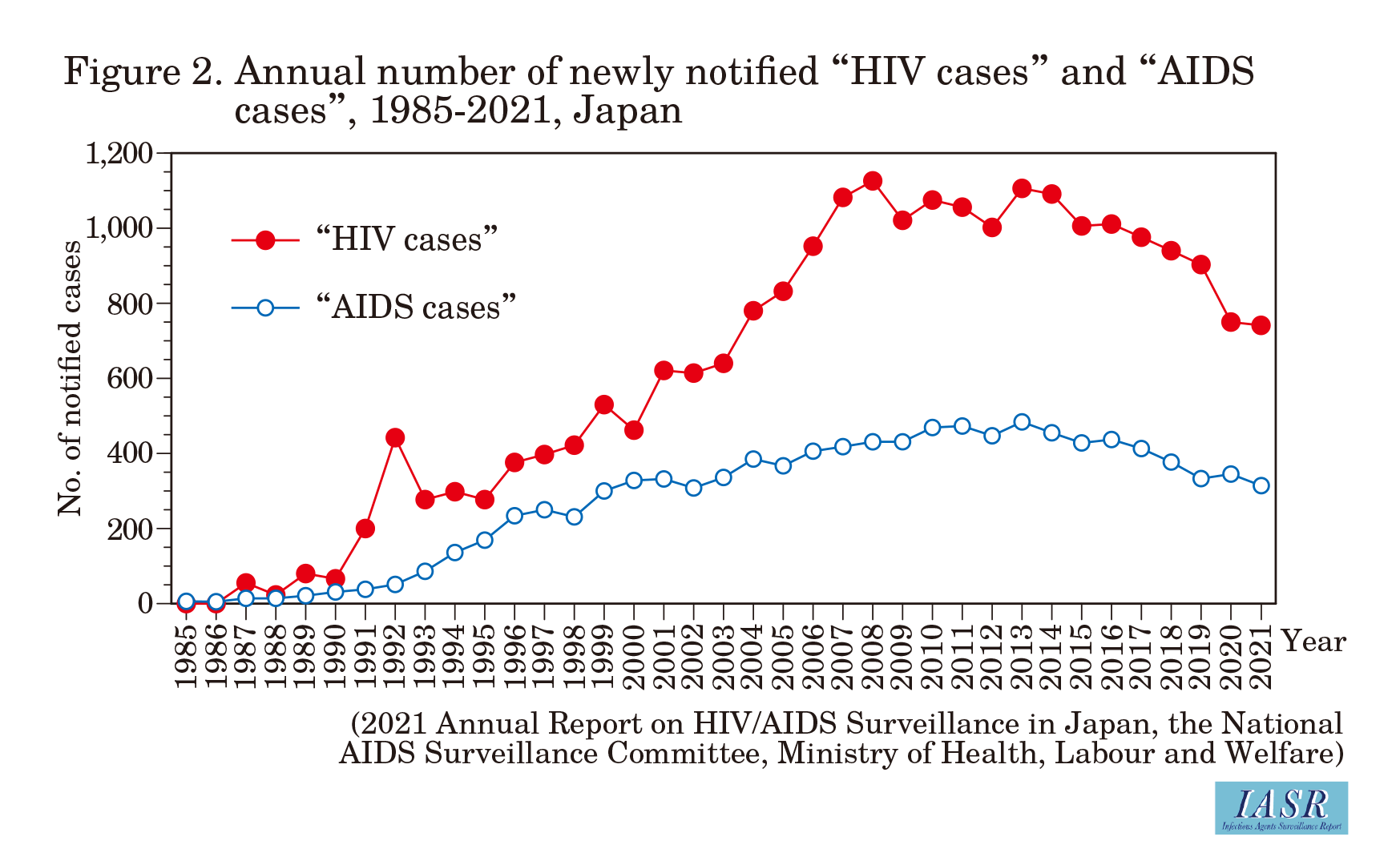
Of the 742 newly notified “HIV cases” in 2021, 624 were Japanese (614 males, 10 females) and 118 were non-Japanese (98 males, 20 females) (“Japanese” and “non-Japanese” refer to nationality). The number of newly notified “HIV cases” among Japanese males in 2020 showed the largest decrease from the previous year, but in 2021, it increased for the first time in 8 years. Regarding the newly notified “AIDS cases”, the number of Japanese male cases increased for the first time in 7 years in 2020, but decreased again in 2021. The respective numbers of non-Japanese males with newly notified “HIV cases” and “AIDS cases” both decreased in 2021 from the previous year. The respective numbers of Japanese females with newly notified “HIV cases” and “AIDS cases” both decreased considerably in 2021, reaching a level seen around 1990.
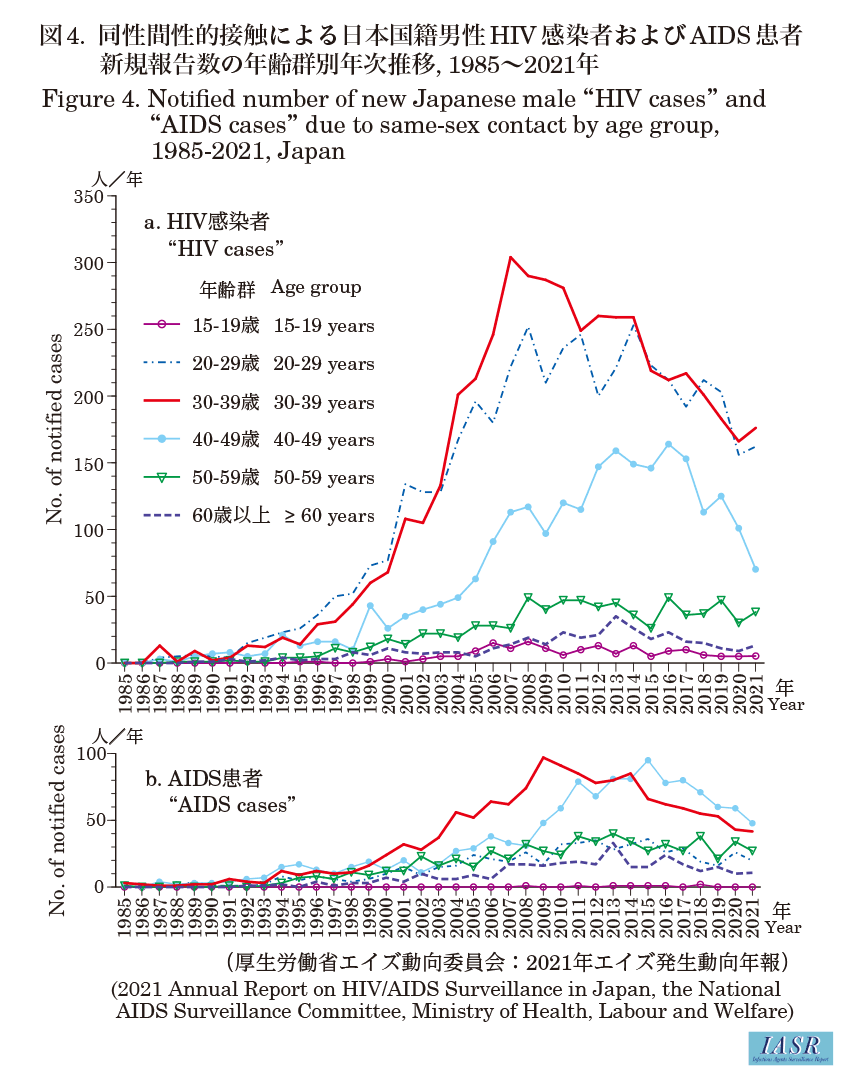
Among the newly notified “HIV cases”, male-to-male sexual contact (including bisexual contact) accounted for 71.6% (531/742) of all cases (among Japanese male “HIV cases”, 75.6% (464/614) were attributed to male-to-male sexual contact) (Fig. 3), and the majority were in their 20s to 40s (Fig. 4). On the other hand, heterosexual contact among males accounted for 9.8% (73/742) of all “HIV cases” and 9.8% (60/614) of Japanese male “HIV cases” were attributed to heterosexual contact. Among the 10 Japanese female “HIV cases”, 7 were attributed to heterosexual contact and 3 were attributed to other or unknown transmission routes.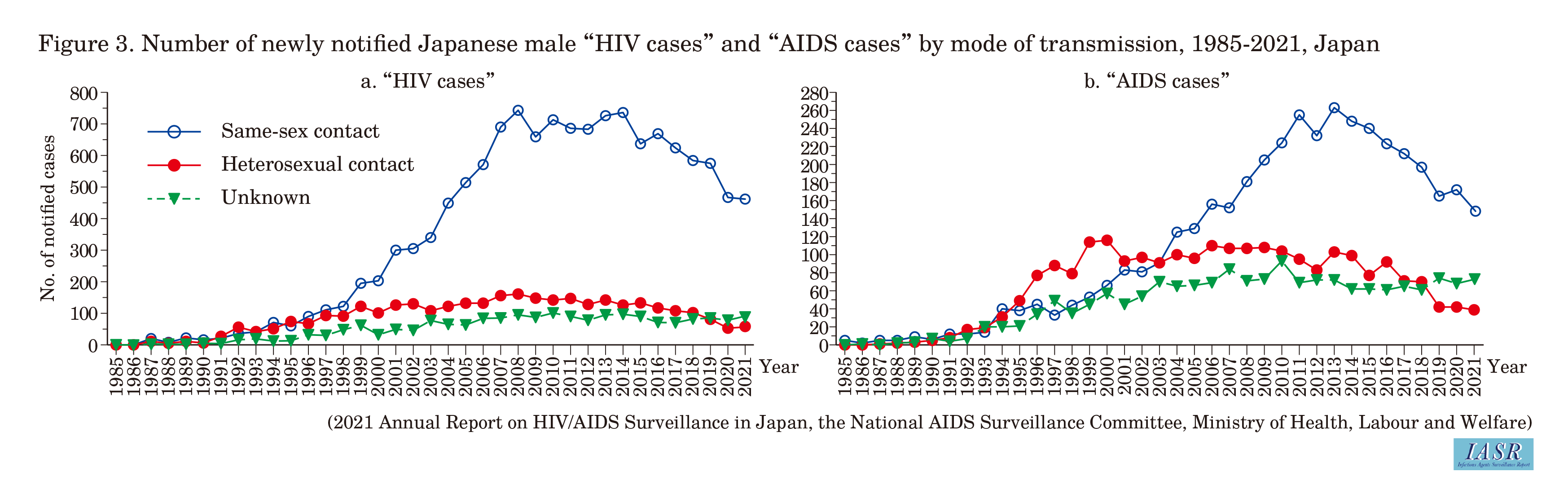
Mother-to-child transmission was reported in one Japanese male “HIV case” and intravenous drug use was reported in one Japanese male “AIDS case”.
Geographic region suspected to be the place where HIV infection occurred: Until 1992, infections were acquired mainly abroad, but since then, most infections have been acquired in Japan. In 2021, 81.7% (606/742) of all newly notified “HIV cases” and 87.7% (547/624) of newly notified “HIV cases” among Japanese nationals were presumed to have acquired infection in Japan.
Place of notification (based on the geographic location of the notifying physician): The areas that notified a large number of “HIV cases” and “AIDS cases” in 2021 were the Kanto-Koshinetsu area (includes Tokyo Prefecture) with 397 “HIV cases” and 136 “AIDS cases”, the Kinki area with 121 “HIV cases” and 38 “AIDS cases”, the Tokai area with 83 “HIV cases” and 45 “AIDS cases”, and the Kyushu area with 71 “HIV cases” and 52 “AIDS cases”. Per 100,000 population, Tokyo Prefecture had the highest number of newly notified “HIV cases”, while Okinawa Prefecture had the highest number of newly notified “AIDS cases” (Table).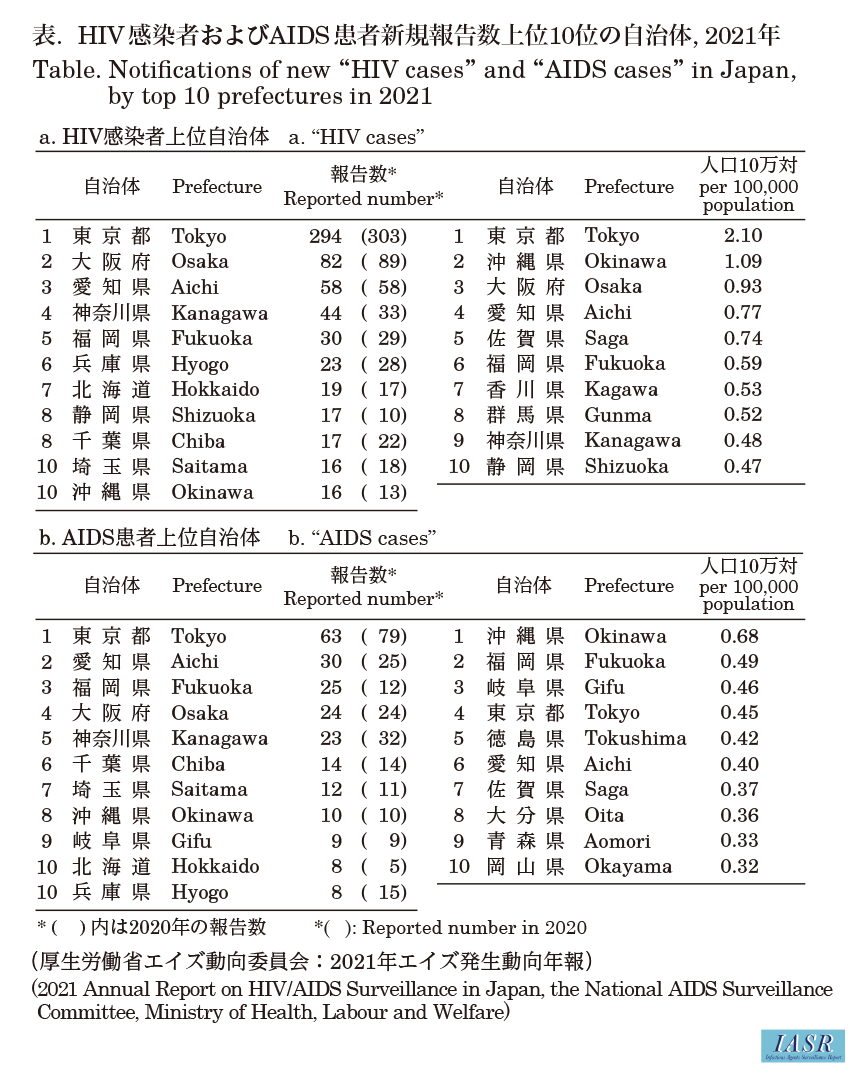
CD4 count at diagnosis: The CD4 count at the time of diagnosis was incorporated into the case notification form of the National Epidemiological Surveillance of Infectious Diseases (NESID) system and its collection began in 2019. In 2021, 49.6% (368/742) of new “HIV cases” and 66.3% (209/315) of new “AIDS cases” were reported with CD4 count data. Among the newly notified “HIV cases” in 2021 that included CD4 count data, the proportion of CD4 values <200/μL was 28.0% (103/368) [28.2% (107/379) in 2020] (Fig. 5).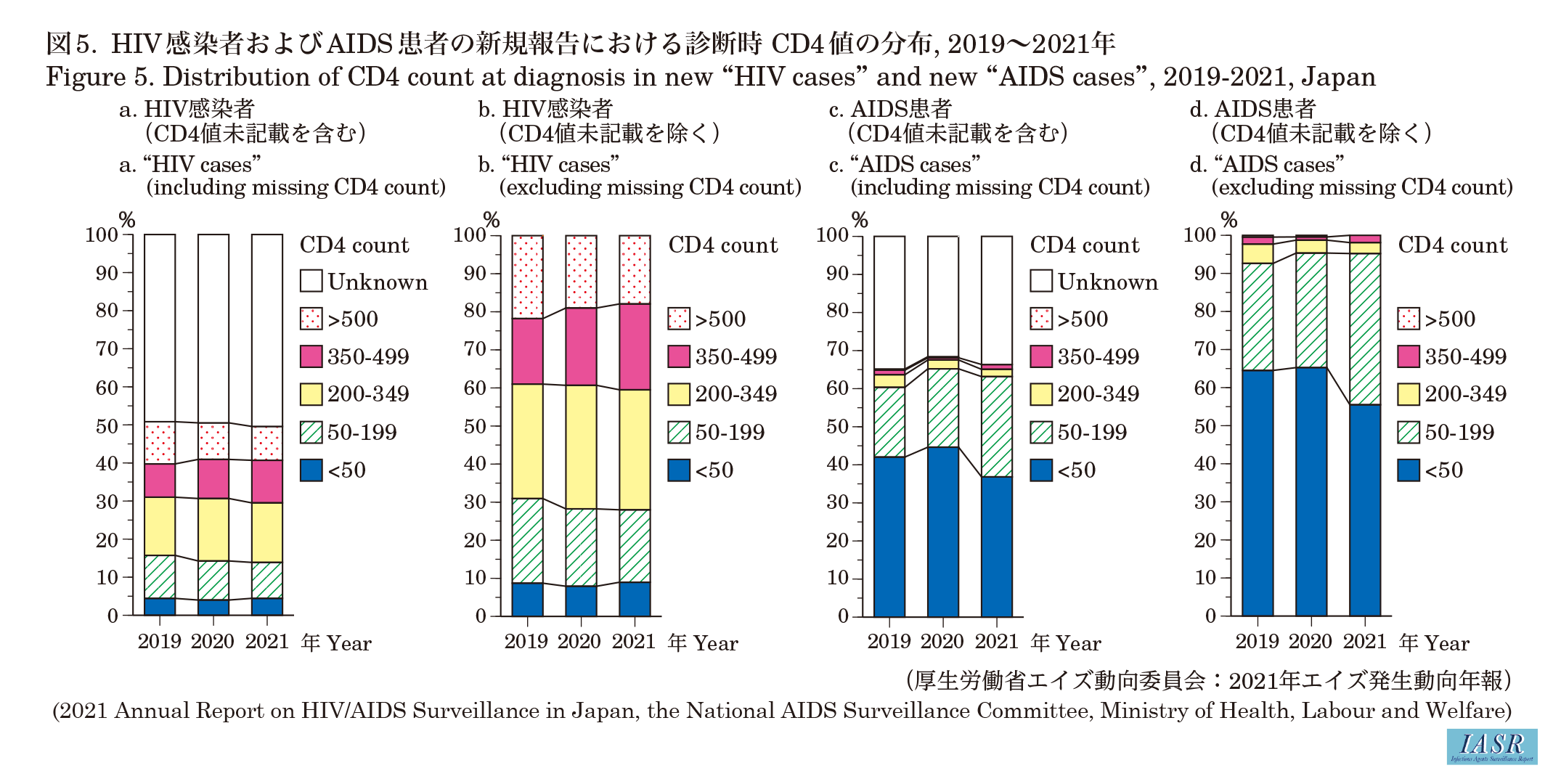
Reference information: 1. HIV positivity among blood donors
The number of HIV-positive cases and the number of HIV-positive cases per 100,000 blood donations had been on a decreasing trend in recent years, but in 2020, it increased for the first time in six years (44 positive out of 5,024,859 blood donations, or 0.876 per 100,000). In 2021, there were 37 positive cases (35 males, 2 females) out of 5,086,003 blood donations, or 0.727 (male: 0.983; female: 0.203) per 100,000 blood donations, a decrease from 2020 (Fig. 6).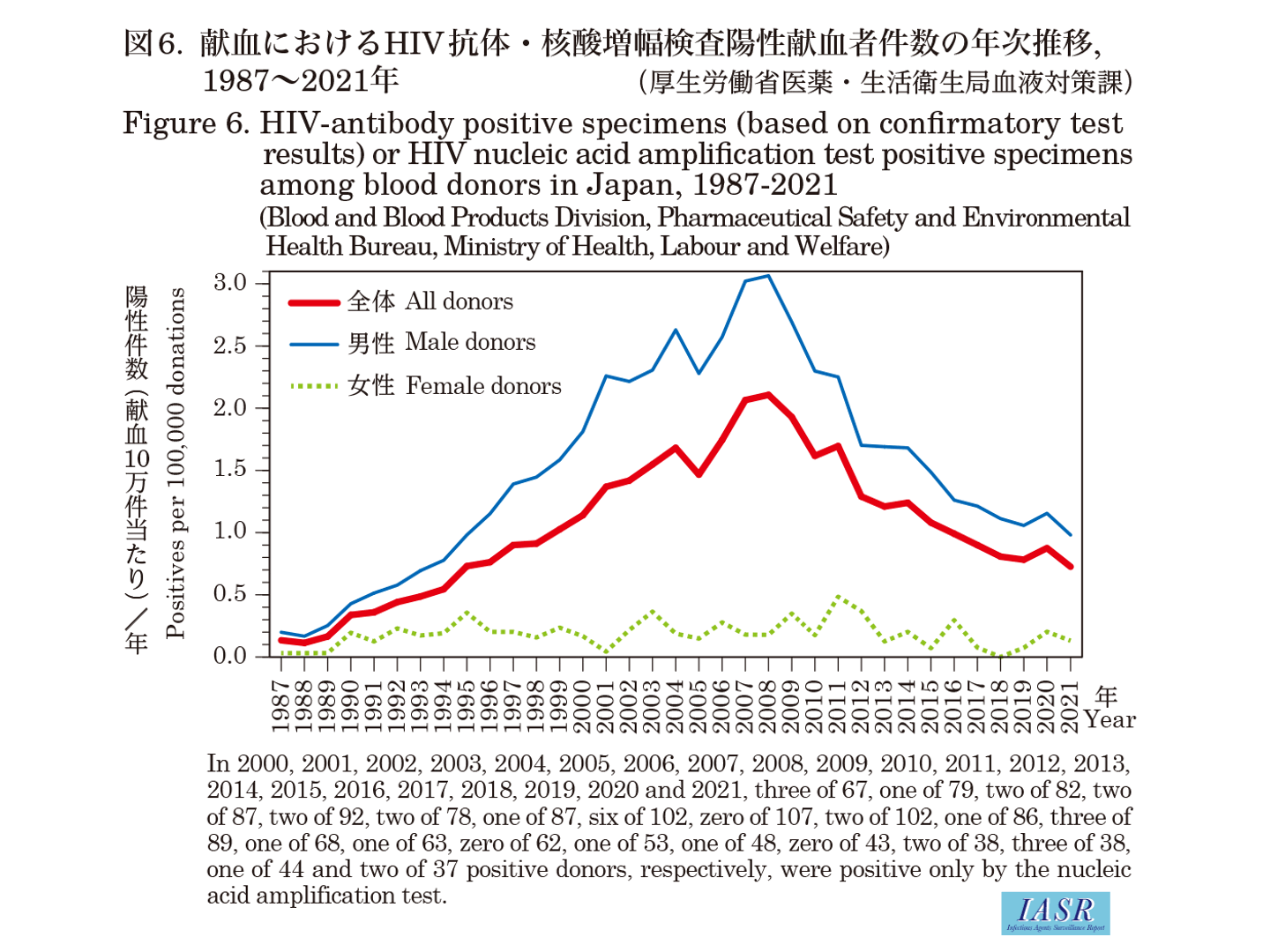
Reference information: 2. HIV tests provided by local governments
The number of HIV tests conducted by local governments at public health centers and other aff iliated facilities decreased substantially in 2020 (68,998 tests), falling to less than half of that in 2019 (142,260 tests), and decreased further in 2021 (58,172 tests) (Fig. 7). The number of HIV-positive cases was 293 in 2021 (290 in 2020) and the test positivity was 0.50% in 2021 (0.42% in 2020). The test positivity for tests conducted at public health centers in 2021 was 0.33% (112/34,212), whereas that for tests conducted at other aff iliated facilities was 0.76% (181/23,960), indicating a higher test positivity in the latter.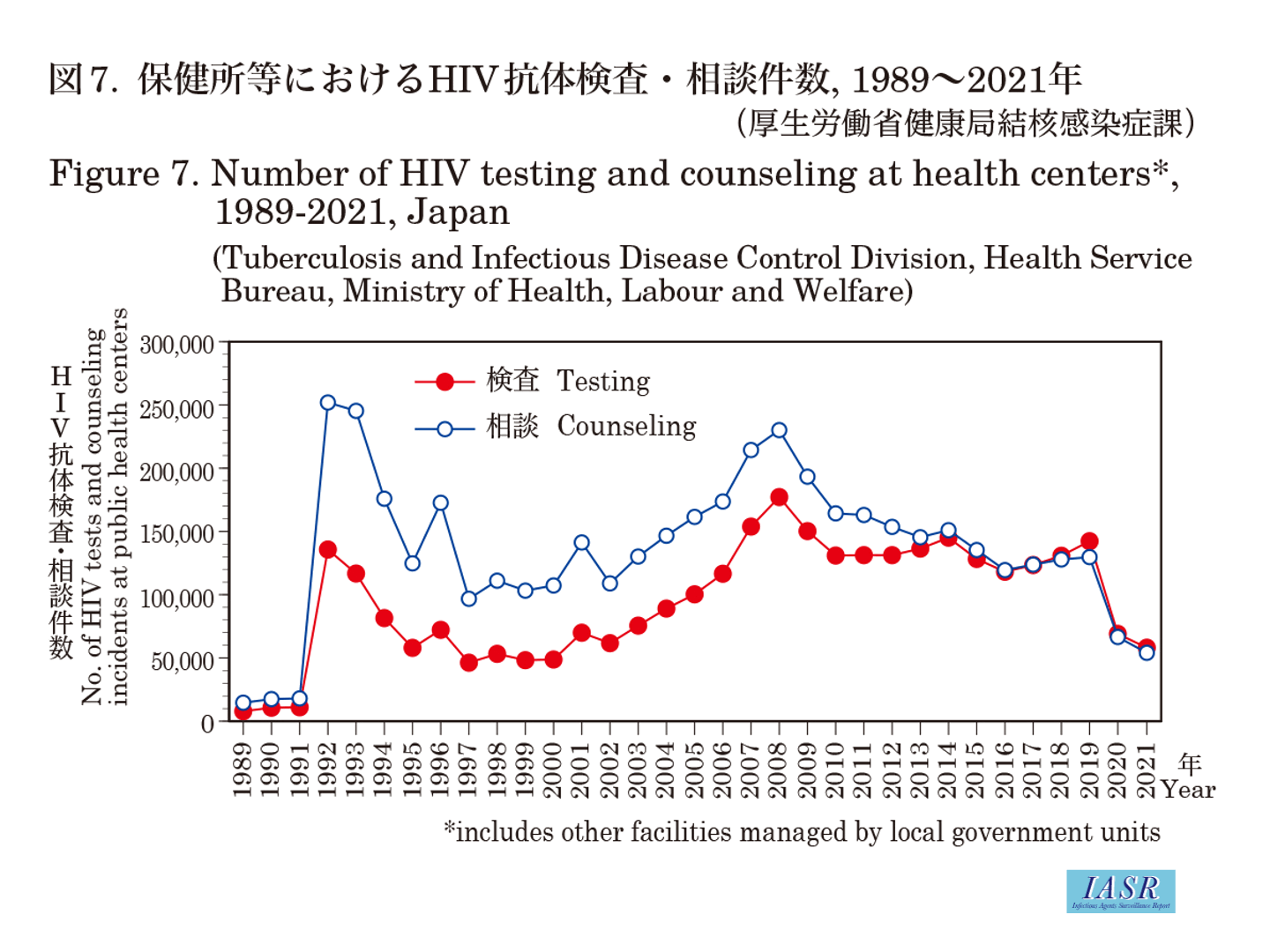
Conclusion
The annual number of “HIV cases” and “AIDS cases” newly notified had been on the decline in recent years, and in 2020, the number of newly notified “HIV cases” decreased drastically by 153 cases from the previous year, and decreased by 8 cases in 2021 from the previous year. The number of newly notified “AIDS cases” increased for the first time in four years in 2020, but decreased again in 2021 from the previous year. The number of HIV tests and consultations conducted by local governments at public health centers and other facilities decreased in 2020 to less than half of that in 2019, and decreased further in 2021 from the previous year. It should be noted that a substantial number of asymptomatic case-patients may not have been diagnosed due to decreased testing opportunities resulting from the occurrence of COVID-19 pandemic, which was first reported in Japan in January 2020 (IASR 42: 213-215, 2021, https://www.niid.go.jp/niid/ja/aids-m/aids-iasrtpc/10712-500t.html).
Although HIV infection cannot be completely cured, it has become clear that by suppressing the plasma viral load with appropriate antiretroviral therapy, it is possible to maintain and restore immune function leading to a better prognosis, in addition to preventing sexual transmission to others. While respecting human rights, it is necessary to continue the implementation of preventive measures based on the Guidelines for AIDS Prevention, publicize the need for testing for early diagnosis and early initiation of treatment of those infected with HIV and AIDS cases, provide testing opportunities in diverse settings, and enhance the testing system in local governments.
*HIV surveillance in Japan counts a case as an “HIV case” if a case is laboratory diagnosed with HIV infection (but without manifestation of AIDS-indicator diseases), and as an “AIDS case” if a case is laboratory diagnosed with HIV infection and manifests AIDS-indicator diseases at the time of initial diagnosis and report. An HIV-infected case once registered as an “HIV case” is not registered as an “AIDS case” even if he/she subsequently develops AIDS. However, “AIDS cases” reported through 31 March 1999 include those who subsequently developed AIDS.