


IASR 47(3), 2026【THE TOPIC OF THIS MONTH】Hepatitis A in Japan, 2019-2025
PDF download(PDF:449KB)
The topic of This Month Vol.47 No.3(No. 553)
Hepatitis A in Japan, 2019-2025
(IASR Vol. 47 p41-42: March 2026)
Hepatitis A was classified as a Category IV Infectious Disease under the Infectious Diseases Control Law following the amendment in November 2003, and notification of all cases, including asymptomatic carriers, is mandated. Hepatitis A is an acute infectious disease caused by infection with hepatitis A virus (Hepatovirus A1; commonly known as hepatitis A virus: HAV) of the genus Hepatovirus in the family Picornaviridae. HAV has a single serotype and is classified into six genotypes (genotypes I -VI). Genotypes I -III circulate in humans, and each genotype is divided into subgroups A and B. HAV is transmitted orally through ingestion of contaminated food or drink, or direct contact with infected individuals. While epidemics are observed in areas with inadequate sanitation and drinking-water management, outbreaks have occurred among groups such as men who have sex with men (MSM), persons who inject drugs (PWID), and people experiencing homelessness in developed countries with well-established sanitary environments (see pp.47 and 48 of this issue).
The incubation period of hepatitis A is 2-6 weeks (average, 4 weeks), and following symptoms such as fever, general malaise, anorexia, headache, myalgia, and abdominal pain, hepatic manifestations such as jaundice and hepatomegaly appear (see p.43 of this issue). The risk of severe disease increases with age. No specific antiviral therapy exists, and symptomatic treatment is provided, including adequate rest, nutritional management, and hydration. The prognosis is generally good (case fatality risk <0.5%), spontaneous recovery occurs within 2-3 months, and chronic infection does not occur. Of those infected, while approximately 70 -90% of adults develop symptoms, approximately 90% of children aged ≤5 years are considered to be asymptomatic. Once infected, lifelong immunity is acquired. Diagnosis is performed mainly by detecting anti-HAV IgM antibodies in blood during the acute phase.
National Epidemiological Surveillance of Infectious Diseases
After enforcement of the Infectious Diseases Control Law, from 2000 to 2017, when year-round information collection became possible, the number of hepatitis A notifications remained at an annual mean of 266 cases (range, 115-502). In 2018, the RIVM-HAV16-090 strain, which caused outbreaks in Taiwan in 2016 and in Europe in 2017, spread mainly among MSM in Japan, and the number of notifications reached 926 cases (IASR 40: 147-148, 2019). Although the number of notifications decreased from the latter half of 2018, case notifications due to this strain continued in 2019. From 2021 to 2023, the number of notifications decreased to an unprecedentedly low level (Fig. 1). This may have been influenced by the end of domestic transmission of HAV, as well as reduced overseas travel and changes in lifestyle behavior due to the coronavirus disease 2019 (COVID-19) pandemic. However, the numbers of notifications in the most recent years, 2024 (137 cases) and 2025 (132 cases), have been increasing.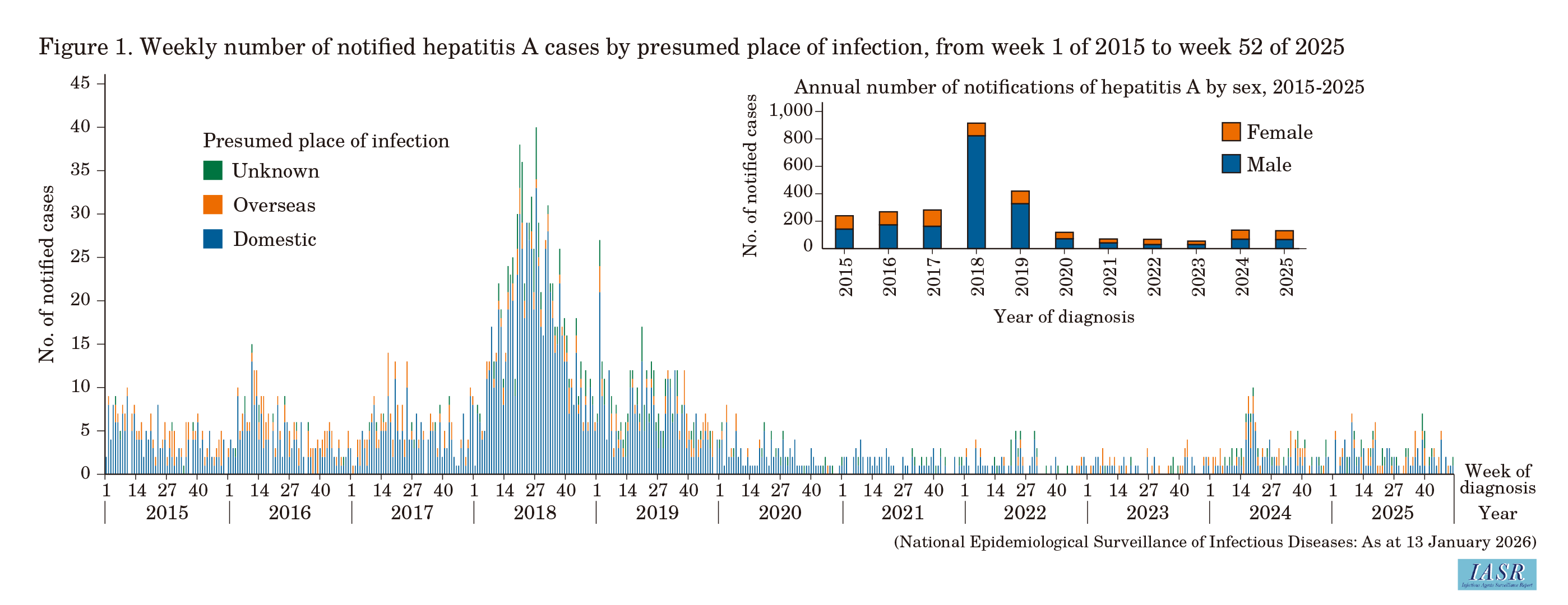
Presumed place of infection: Among 1,010 cases notified during 2019-2025, cases presumed to have been infected in Japan accounted for approximately 69% (Table 1 on p.42). Cases infected outside Japan decreased during 2020-2023, but began increasing again from 2024 onward and accounted for approximately 30% of the total. Among a cumulative total of 158 cases infected outside Japan (approximately 16%) during 2019-2025, the main travel destinations were Pakistan (28), India (21), Indonesia (13), the Republic of Korea (10), Thailand (8), Myanmar (8), and Egypt (8).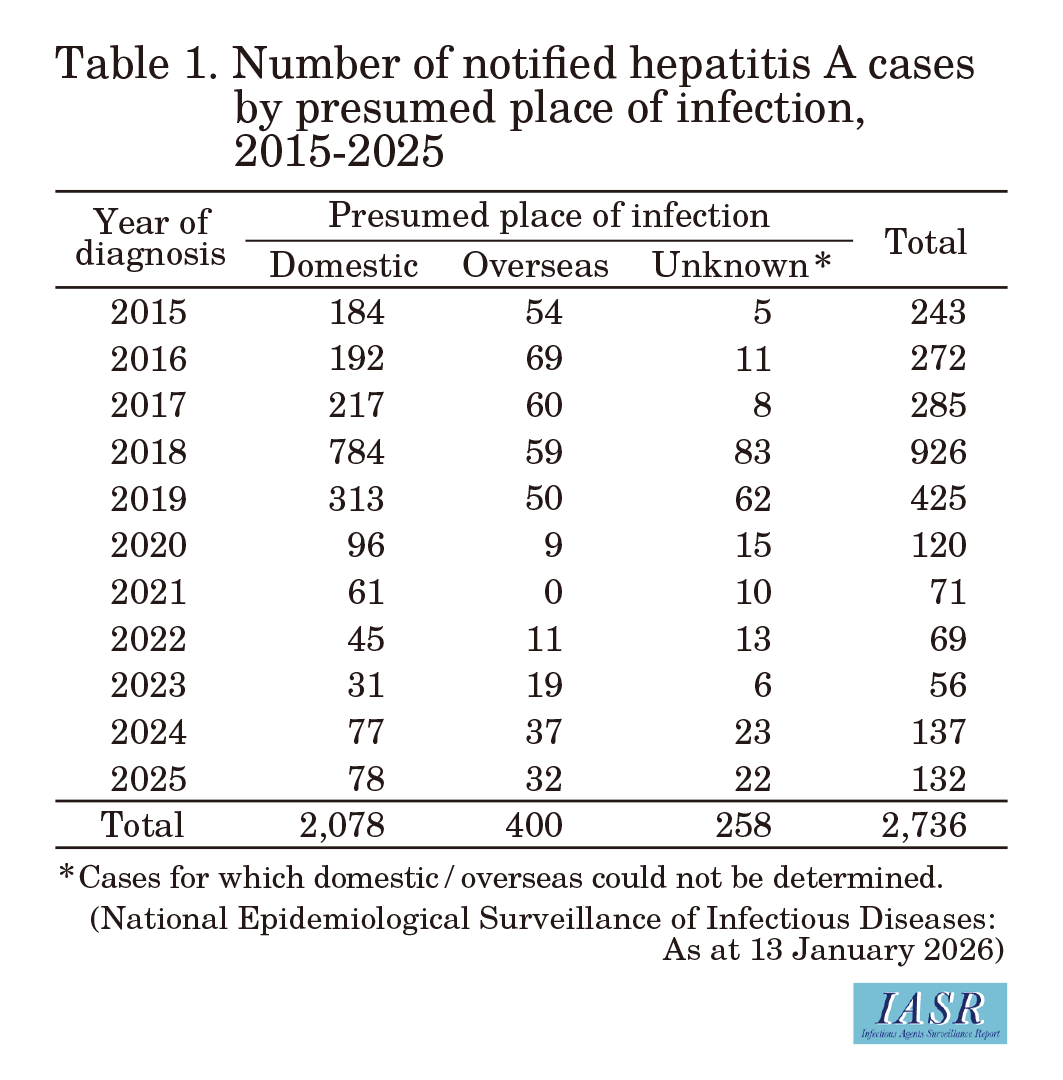
Presumed route of infection: In 2019, 16% of notified cases were considered to have been infected through sexual contact between the same sex. This was considered to reflect continuation of the 2018 outbreak, during which infections increased among MSM. Among 585 cases notified during 2020-2025, the presumed route of infection was oral transmission in 325 cases (56%). Cases considered to have been infected through sexual contact between the same sex accounted for 19 cases (3%). In contrast, 228 cases (39%) were reported as having an unknown route of infection, indicating the diff iculty of epidemiological investigation in identifying the route of infection.
Sex and age distribution: Among patients notified in 2019, 78% were male; however, among notifications during 2020-2025, 54% were male (Fig. 1 on p.41). The age distribution of patients during 2015-2025 (Fig. 2) shows that in 2018-2019, which was affected by the MSM-centered outbreak, the proportion of cases was high in the 20-39-year age group. In addition, compared with the period prior to the COVID-19 pandemic, the proportion of cases among those aged ≥60 years (older age group) has been increasing in recent years. This is considered to reflect aging of susceptible individuals who lack anti-HAV antibodies. Previously, the number of cases was considered to be low in older age groups, which were thought to have a high seroprevalence; however, with aging of susceptible individuals, the proportion of older patients is increasing, and going forward, caution is also needed from the perspective of the risk of severe disease.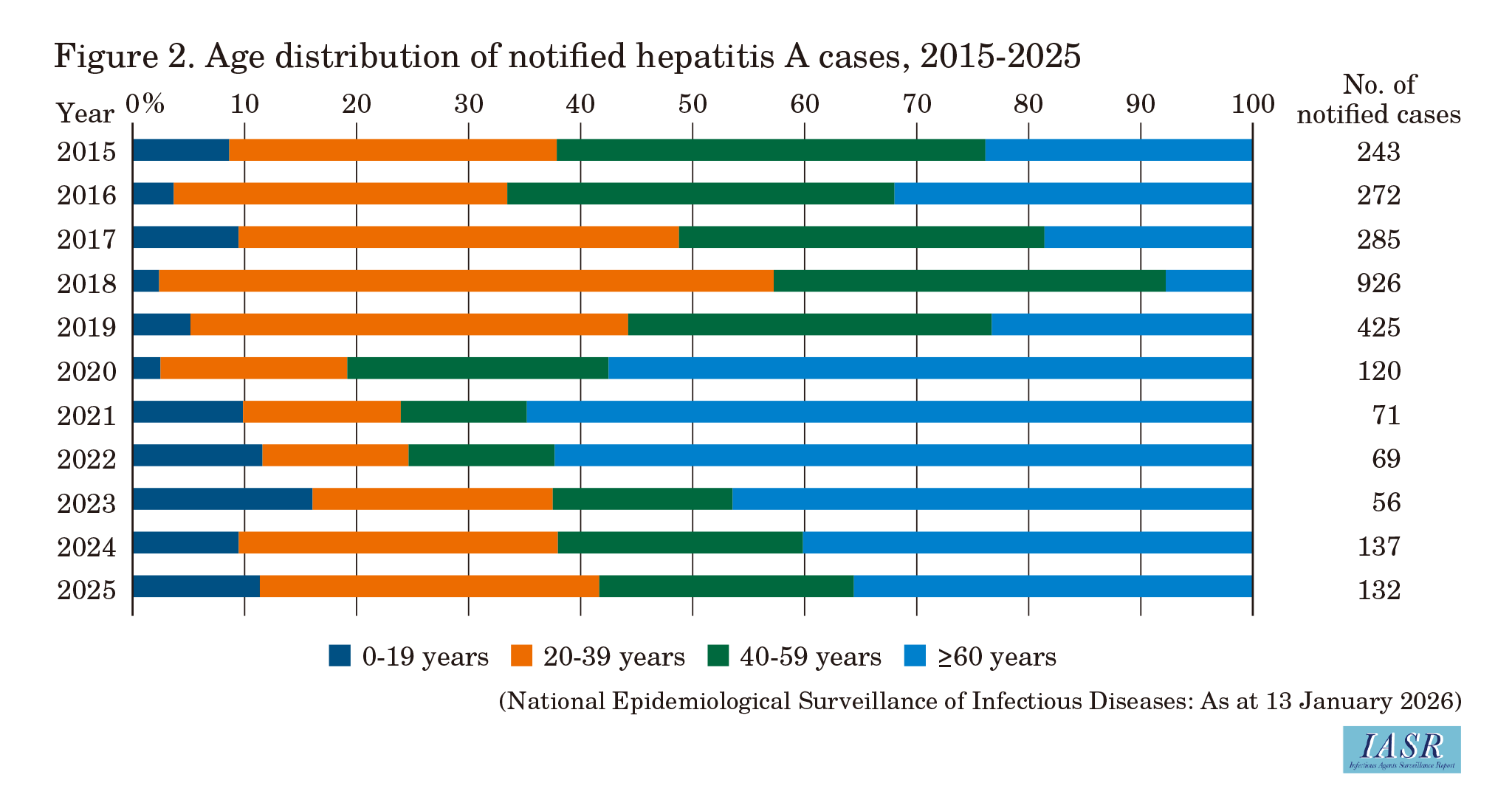
Epidemiological situation with a focus on genotypes
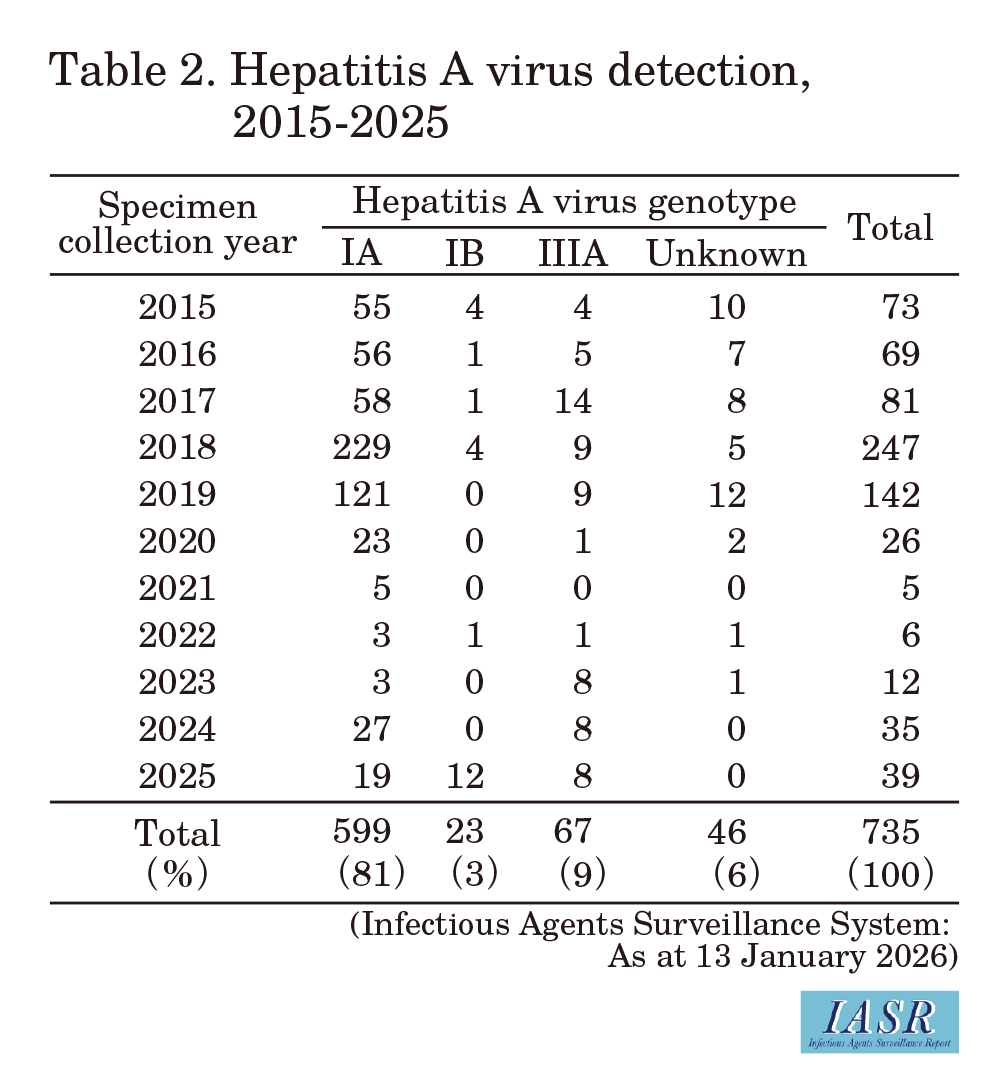
Based on notifications dated 26 April 2010 and 6 February 2019, the Ministry of Health, Labour and Welfare has requested local governments to secure patient specimens and cooperate with active epidemiological investigations for the purpose of molecular epidemiological analysis. In December 2018, the manual for hepatitis A virus detection was revised to standardize testing (see p.44 of this issue). Based on nucleotide sequence analyses conducted by the National Institute of Infectious Diseases and Public Health Institutes and Public Health Centers, in 2019, the RIVM-HAV16-090 strain (genotype IA) that circulated in 2018 accounted for more than half of cases. Meanwhile, during late 2018 to 2019, an outbreak due to a different genotype IA lineage was also observed, mainly in the Tohoku region (IASR 40: 155-156, 2019). From 2020 onward, although no large-scale outbreak was confirmed, clusters of patients due to a single strain were sporadically observed (see p.45 of this issue). In these clusters, a wide distribution of food contaminated with the causative HAV strain was suspected; however, the causative food item has not been identified.
During 2023-2025, genotype IIIA was reported in eight cases each year, and the proportion accounted for by IIIA increased compared with the past (Table 2). These were detected mainly in returnees with a history of travel to West Asia, such as Pakistan and Afghanistan; however, in 11 of 24 cases, no travel history was confirmed. The source of infection in domestically infected cases has not been identified, and at present, it is unknown whether this genotype has become established in Japan.
Infection control and prevention
For prevention of HAV infection, measures targeting sources of infection and routes of transmission are important, including appropriate handling of patient excreta and contaminated food, thorough hygiene management such as handwashing, suff icient heat treatment (85°C for ≥1 minute), and disinfection with chlorine agents.
Hepatitis A can be prevented for a long period by vaccination. The domestically approved inactivated hepatitis A vaccine has no age restriction, and based on recommendations of the World Health Organization (WHO), vaccination from age ≥1 year is recommended. Vaccination is advisable for travelers to highly endemic areas, health-care workers, patients with chronic liver disease, high-risk persons such as MSM and PWID, and older persons at high risk of severe disease.
In an epidemiological investigation using sera collected from healthy individuals in Japan during 2013-2017, approximately 80% of the total population and 99% of those aged <60 years were estimated to be susceptible to HAV. Considering the occurrence of hepatitis A in Japan, the increase and aging of HAV-susceptible individuals is inferred to have progressed further. Under such circumstances, if an outbreak occurs, the risk that it will become a large-scale outbreak will be high. In fact, large-scale outbreaks have been reported in developed countries with similar immunity backgrounds (see pp.47 and 48 of this issue). In addition, multiple clusters associated with imported food have been reported (see p.50 of this issue), and it is necessary to reconsider the perception of hepatitis A as an infectious disease specific to developing countries.
Although hepatitis A has a long incubation period and identif ication of sources of infection and routes of transmission is diff icult, molecular epidemiological analysis is a powerful tool to strengthen such information. Because the period of viral shedding is also long, for prevention of further spread and rapid response to clusters, it is important to ensure thorough notification of cases, provide guidance for the prevention of secondary infection, conduct interviews and active epidemiological investigations, and accumulate molecular epidemiological data and monitor continuously.