

IASR 47(5), 2026【THE TOPIC OF THIS MONTH】Enterohemorrhagic Escherichia coli Infection in Japan, as at March 2026
PDF download(PDF:935KB)
The topic of This Month Vol.47 No.5(No. 555)
Enterohemorrhagic Escherichia coli Infection in Japan, as at March 2026
(IASR Vol. 47 p75-77: May 2026)
Pathogenesis and clinical presentation: Enterohemorrhagic Escherichia coli (EHEC) infection is caused by infection with E. coli producing Vero toxin (Vero toxin: VT or Shiga toxin: Stx), and the main symptoms are abdominal pain, diarrhea, and bloody diarrhea. Vomiting and fever may also accompany the illness. VT and related factors can induce hemolytic uremic syndrome (HUS), characterized principally by thrombocytopenia, hemolytic anemia, and acute kidney injury, and encephalopathy and other complications may occur, potentially leading to death.
Administrative and laboratory response: EHEC infection is designated as a Category III Infectious Disease under the Infectious Diseases Control Law. A physician who diagnoses this infection must immediately notify the public health center (PHC) (https://www.mhlw.go.jp/bunya/kenkou/kekkaku-kansenshou11/01-03-03.html), and the information is reported to the Ministry of Health, Labour and Welfare (MHLW) through the prefecture or subnational authority. When a physician notifies the case as food poisoning, or when the director of the PHC recognizes as so, the prefecture or subnational authority conducts a food poisoning investigation and reports the results to MHLW in accordance with the Food Sanitation Act. Public health institutes (PHIs) and PHCs perform isolation and identification of EHEC, serotyping, and VT typing (VT type confirmed by toxin production or VT genotyping), and report the results to the Infectious Agents Surveillance System (IASS) of the infectious disease surveillance system (see p.77 of this issue). The Department of Bacteriology I, National Institute of Infectious Diseases (NIID), Japan Institute for Health Security (JIHS) confirms and identifies the serotypes and VT types of strains submitted from PHIs and PHCs, and simultaneously conducts multilocus variable-number tandem-repeat analysis (MLVA), pulsed-field gel electrophoresis, and single nucleotide polymorphism (SNP) analysis using whole-genome sequencing (see pp.79, 81, 82, 83, 84 and 86 of this issue). The results of these analyses are fed back to each PHI and PHC, and information is provided to local governments and others through the National Epidemiological Surveillance of Foodborne Disease (NESFD), as necessary.
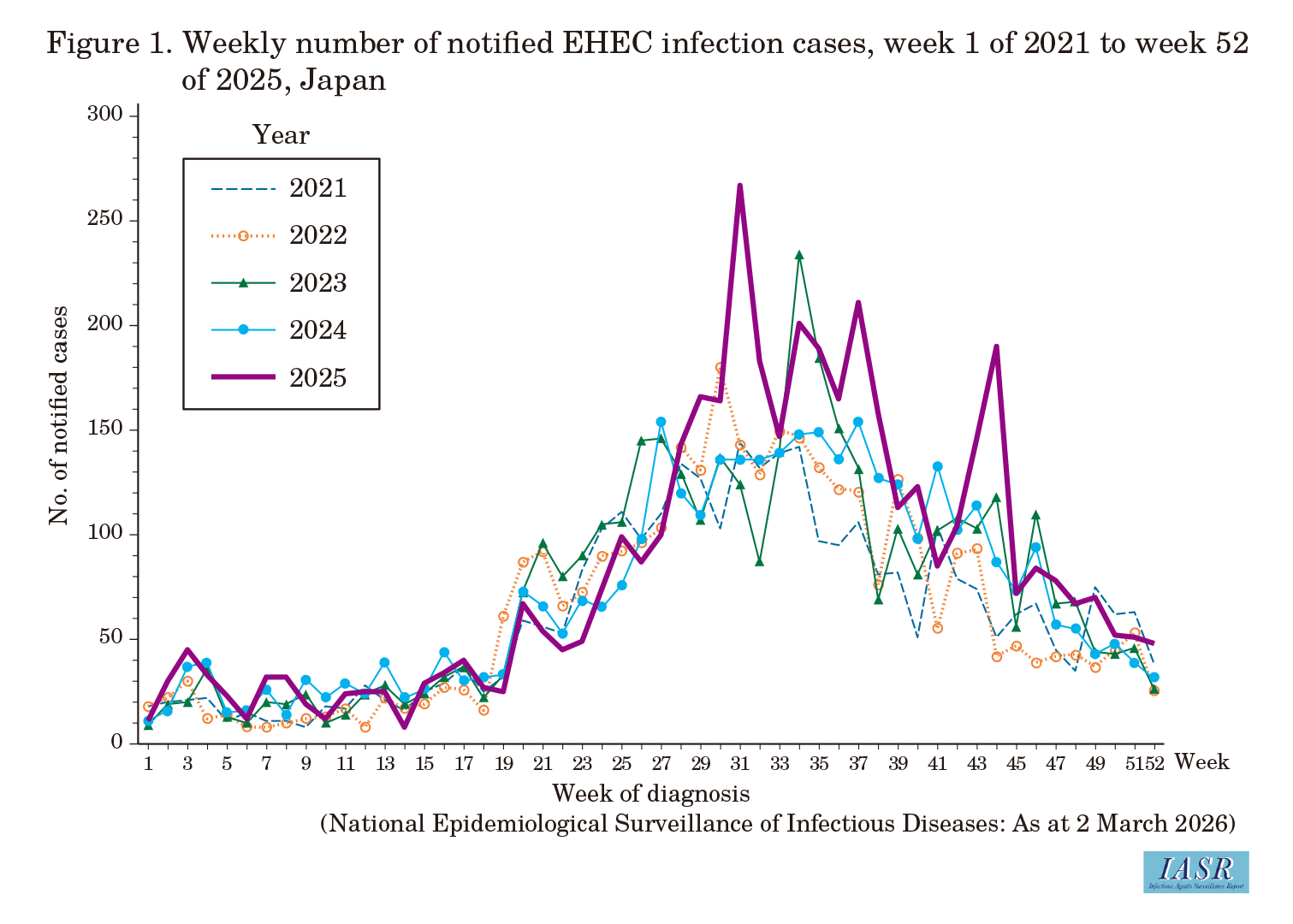
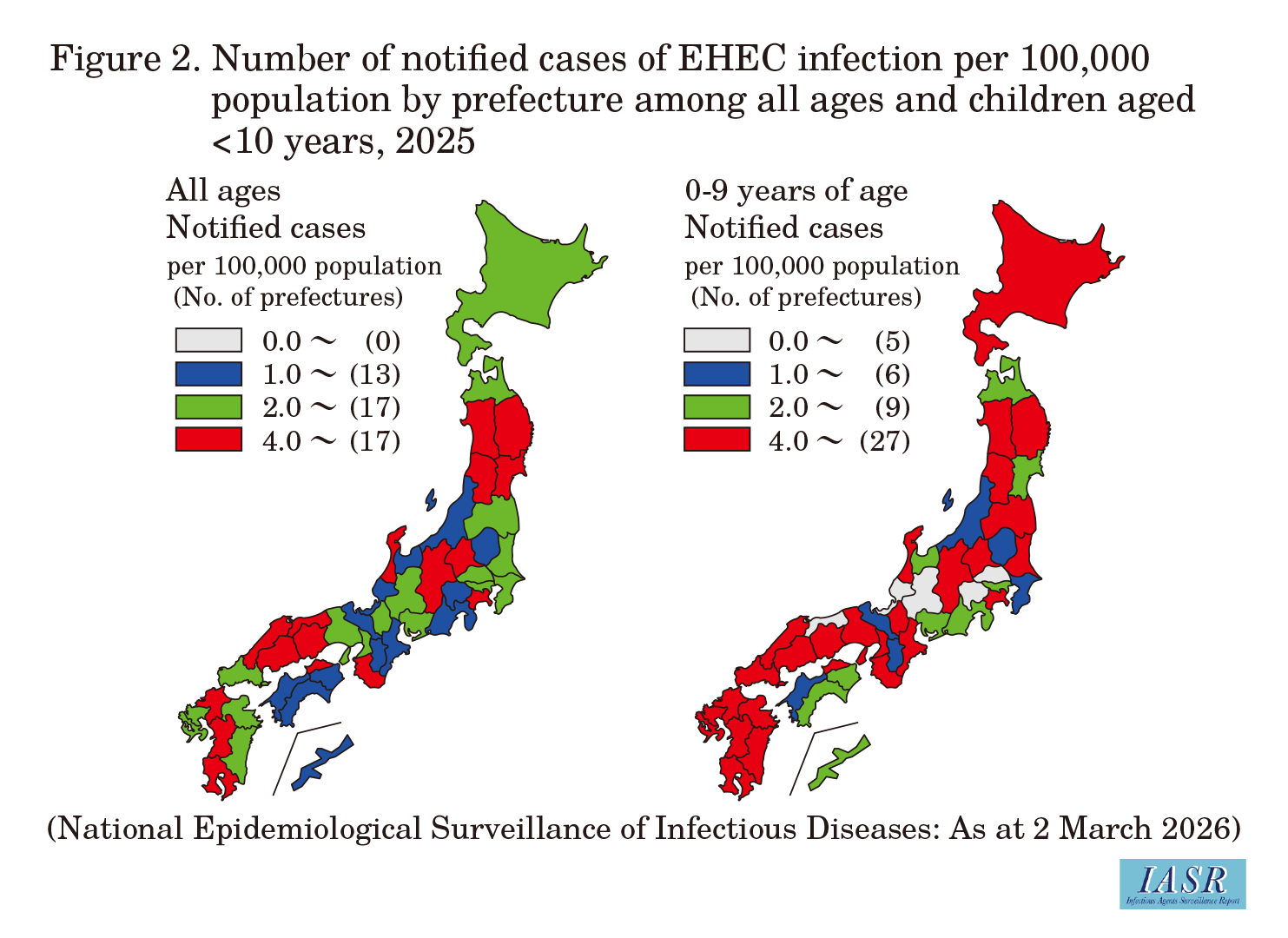
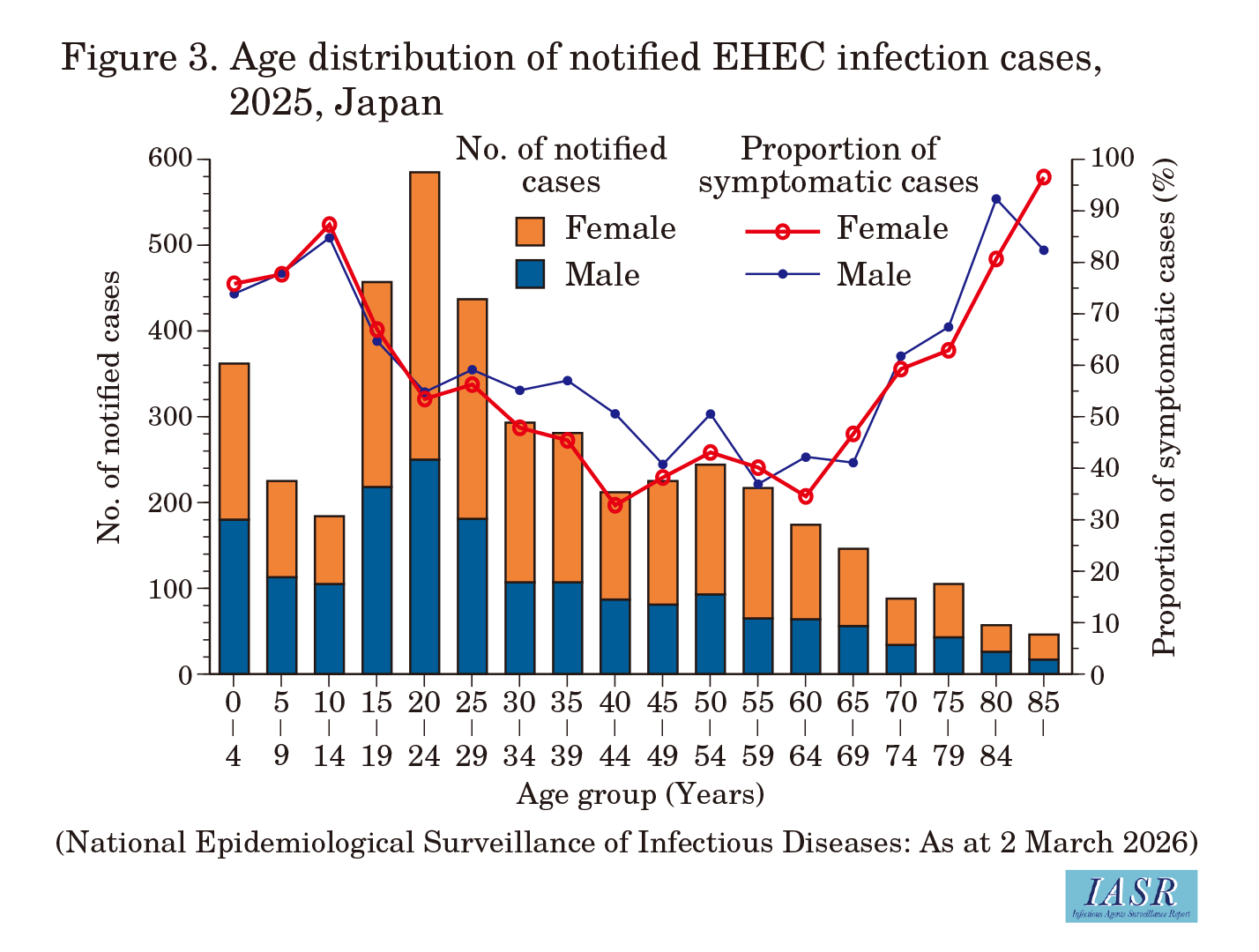
National Epidemiological Surveillance of Infectious Diseases: According to the National Epidemiological Surveillance of Infectious Diseases, in 2025, 2,472 patients (symptomatic cases) and 1,866 asymptomatic cases (identified through active epidemiological investigations at the time of case occurrence or through routine stool examinations of food handlers and others) with EHEC infection, totaling 4,338 cases, were notified (Table 1, Fig. 1), representing the highest annual total number of notified cases since 2011. By prefecture, the number of notified cases (including asymptomatic cases) was 150 or more in Tokyo, Kanagawa, Fukuoka, Osaka, Aichi, Chiba, Hokkaido, Saitama, Hyogo, and Gunma prefectures, in descending order, and these 10 prefectures accounted for 57.7% of all notified cases. The number of notified cases per 100,000 population was highest in Shimane (11.8), followed by Akita (9.7), Iwate (8.7), and Yamagata (8.5) prefectures (Fig. 2 left). Among the population aged 0-9 years, the number of notified cases per 100,000 population was high in Iwate (33.3), Kagoshima (33.1), and Kumamoto (28.4) prefectures (Fig. 2 right). The proportion of symptomatic cases among notified cases was high among those aged <15 years and those aged ≥80 years in both males and females (Fig. 3).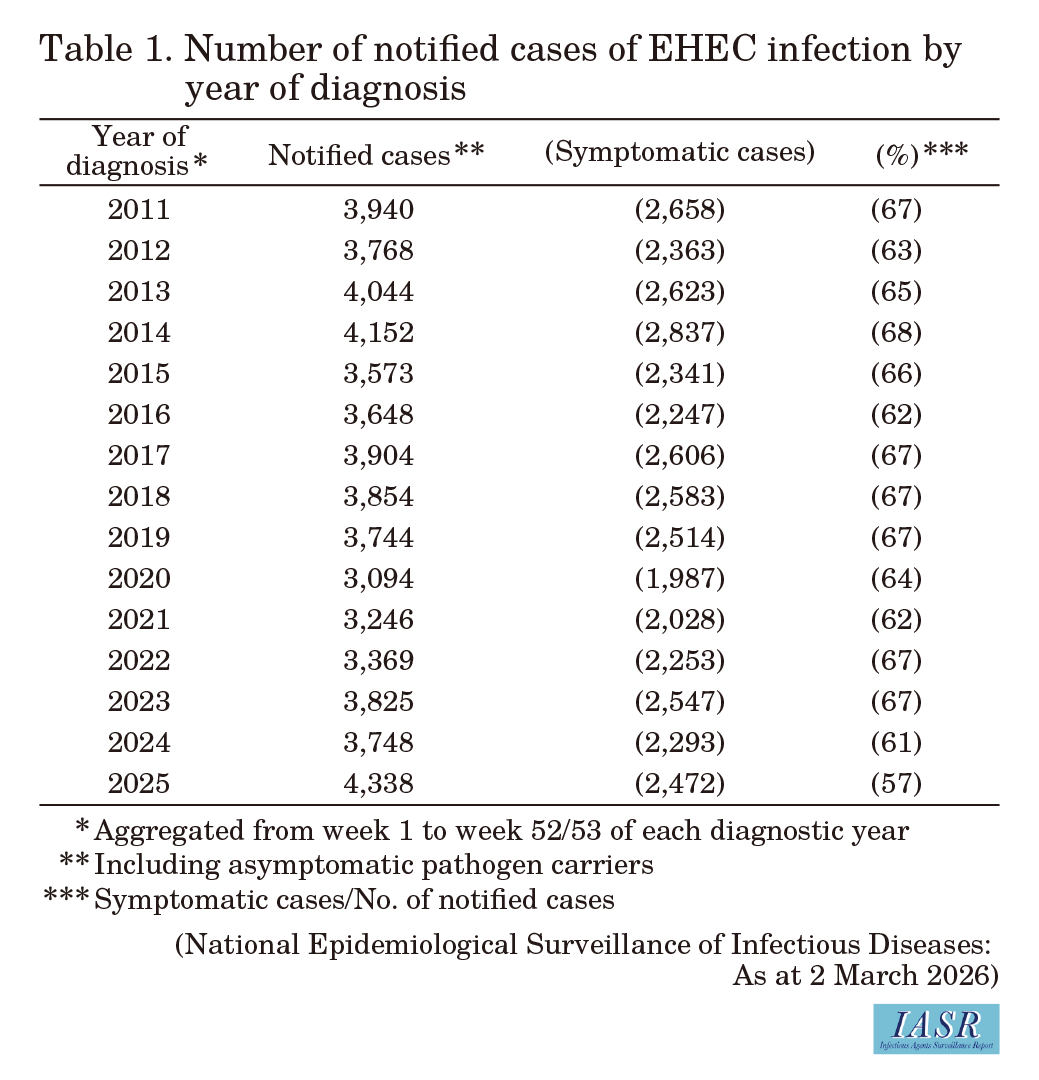
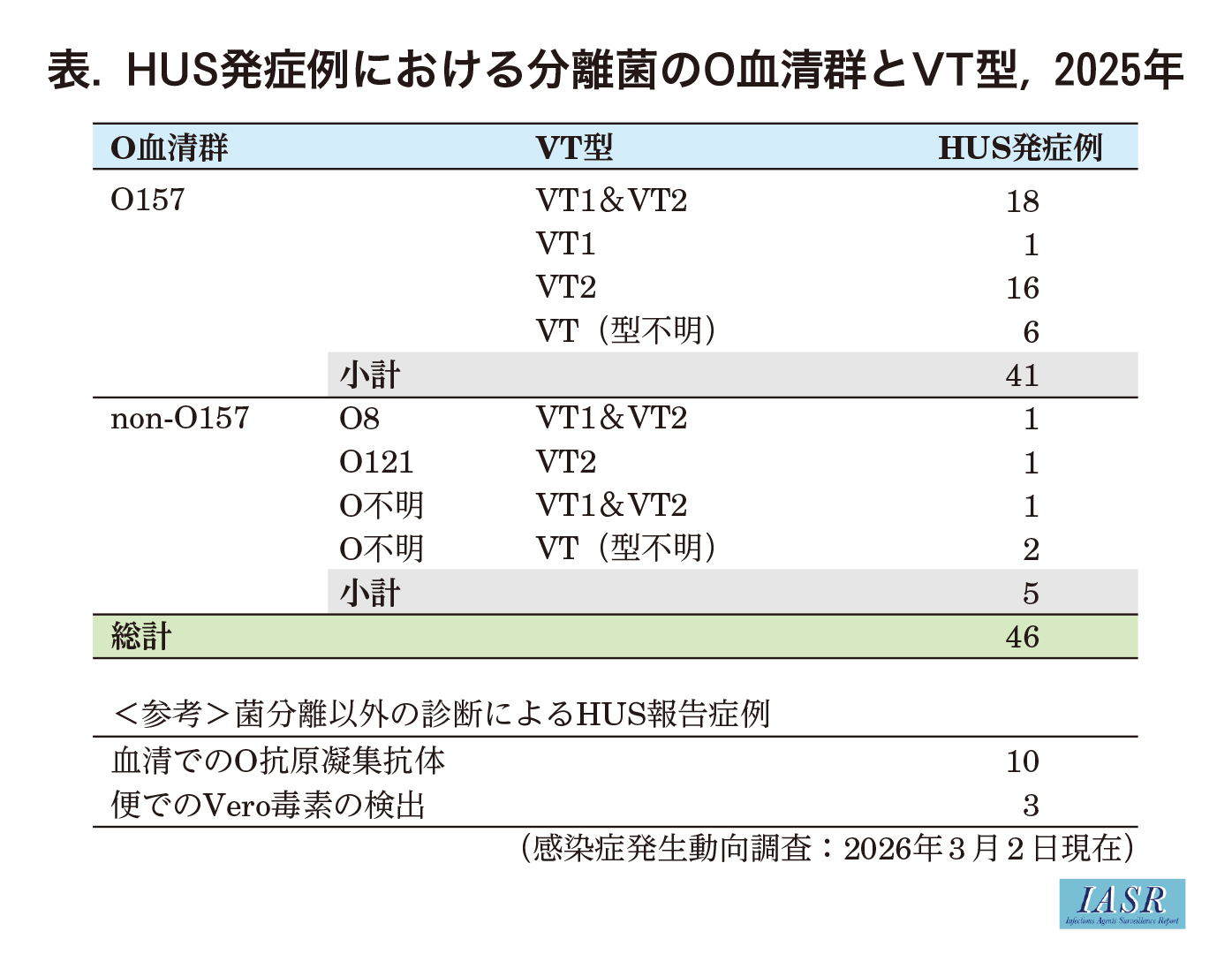
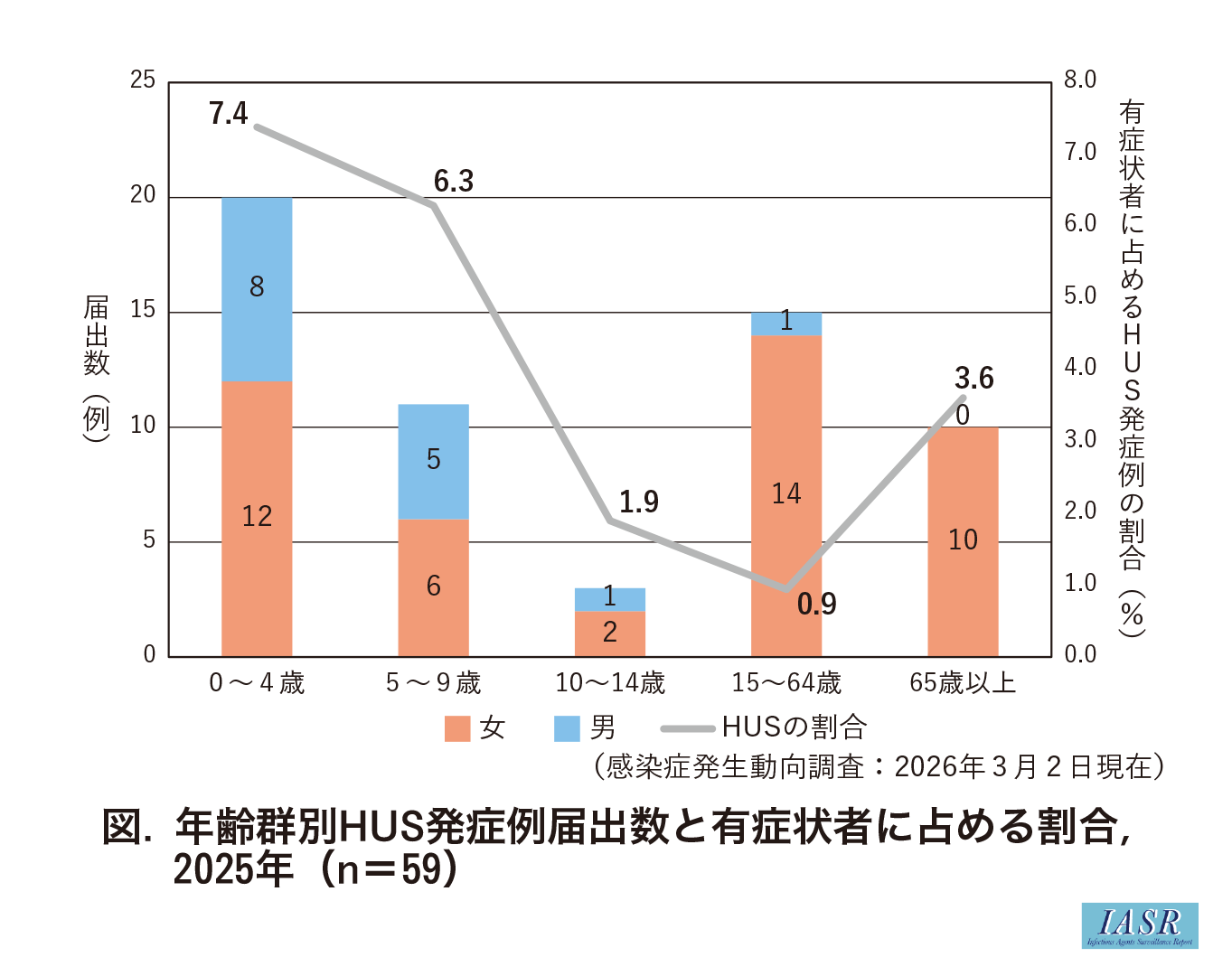
There were 59 HUS cases (2.4% of symptomatic cases), among which EHEC was isolated from 46 cases. Among these, O157 accounted for 41 cases, and for the VT type, 37 strains were VT2-positive (VT2 alone or both VT1 and VT2) (Table, p.90 of this issue). The 13 HUS cases in which EHEC was not isolated were diagnosed either by detection of O-antigen agglutinating antibodies in patient serum or by detection of VT from patient stool specimens. Among symptomatic cases, the proportions developing HUS were highest in the 0-4-year age group (7.4%) and the 5-9-year age group (6.3%) (Fig., p.90 of this issue).
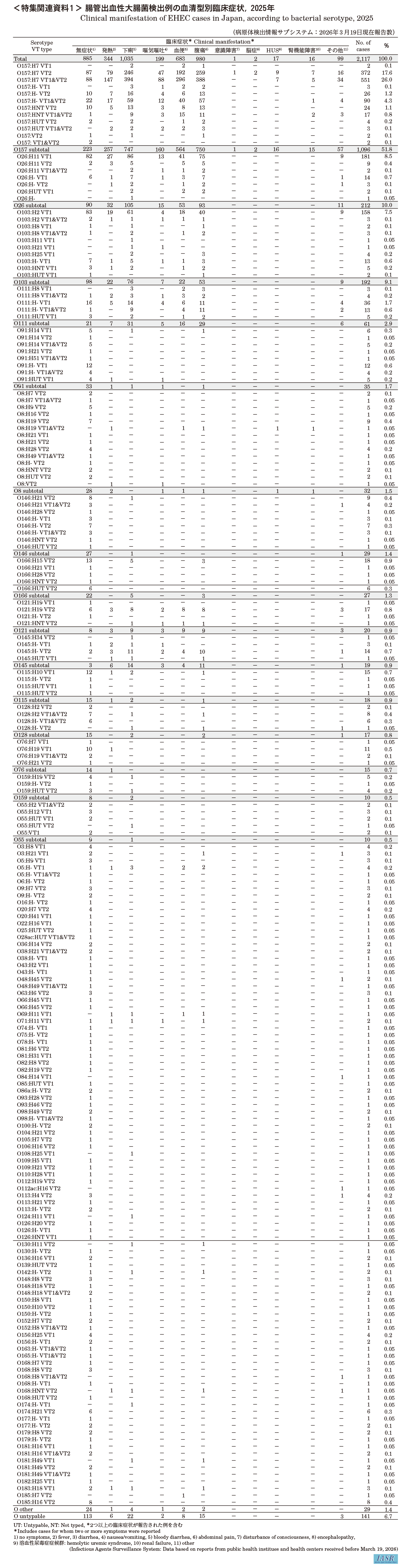
EHEC detections reported from PHIs and PHCs: In 2025, the number of EHEC detections reported from PHIs and PHCs to IASS was 2,117 (see p.77-79 of this issue). This number is smaller than the number of notified EHEC infection cases, since it represents the sum of strains investigated at PHCs and other facilities and strains submitted upon request to medical institutions and private laboratories (Table 1 on p.75). Among all detections, the major O serogroups were O157 (51.8%), O26 (10.0%), and O103 (9.1%) (see p.77-79 of this issue). Regarding VT types, among O157, VT1 & VT2 was the most frequent type, accounting for 60.5% of O157, whereas VT2 alone accounted for 39.1%. Among O26 and O103, VT1 alone was the most frequent type, accounting for 92.9% and 96.9%, respectively. Among 1,232 symptomatic cases from which EHEC was isolated, the major symptoms were diarrhea (84.0%), abdominal pain (79.5%), bloody diarrhea (55.4%), and fever (27.9%).
Outbreaks: According to the Pathogen Report for Outbreaks reported to IASS, four outbreaks caused by restaurant and nursery schools were reported in 2025 (Table 2 on p.77). Outbreak cases caused by O145 were also confirmed (see p.79 of this issue). Meanwhile, according to reports submitted by prefectures and other local authorities to the MHLW under the Food Sanitation Act, there were 10 EHEC food poisoning outbreaks and 362 patients (including culture-negative cases) in 2025 (78 patients in 8 outbreaks in 2022, 265 patients in 19 outbreaks in 2023, and 124 patients in 16 outbreaks in 2024), and no deaths were reported (see pp.81 and 82 of this issue). Analyses conducted by the Department of Bacteriology I, NIID, JIHS revealed that strains with identical MLVA types were isolated across wide geographic areas among sporadic cases with no known epidemiological linkage (see pp.82, 83, 84 and 86 of this issue).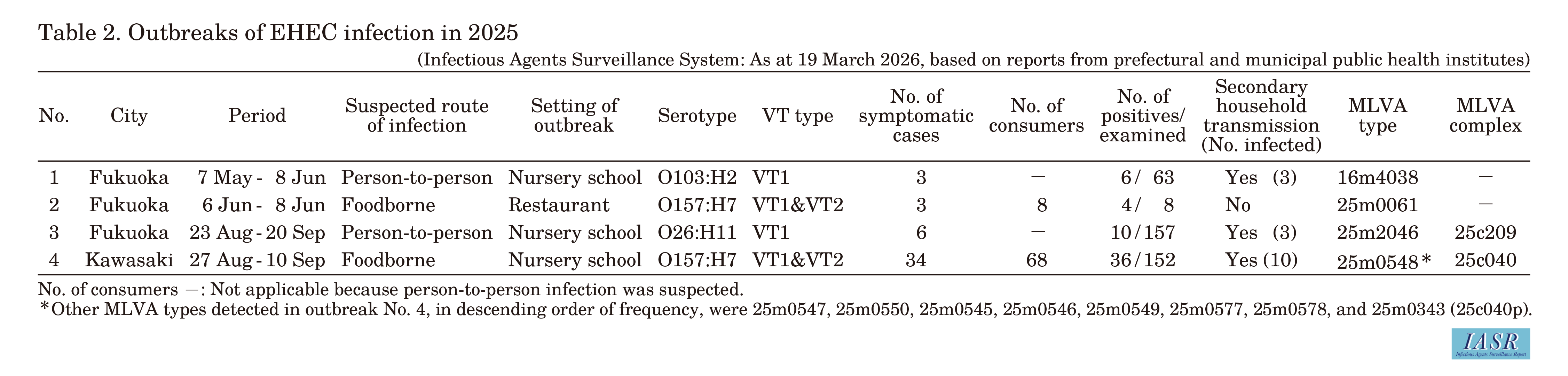
Prevention and control: Because EHEC infection can be established with a small number of bacteria (approximately 10-100), in addition to transmission from food, food materials, and the environment to humans, transmission can easily spread through person-to-person routes or through routes involving various fomites from infected persons.
Following outbreaks of food poisoning events caused by consumption of raw beef, the MHLW revised the standards and criteria for raw meat intended for raw consumption (MHLW Notification No. 321, October 2011). Furthermore, because EHEC O157 was isolated from the internal portions of bovine liver, the sale of bovine liver for raw consumption was prohibited (MHLW Notification No. 404, July 2012). In 2012, following an outbreak of EHEC O157 associated with pickled vegetables, the hygiene code for pickled vegetables was revised (MHLW Shokuan-Kan No. 1012-1, October 2012).
As in previous years, food poisoning outbreaks caused by restaurants and other facilities also occurred in 2025 (see p.79 of this issue). To prevent hazards caused by food, including EHEC infection, the implementation of food hygiene management based on Hazard Analysis and Critical Control Point (HACCP) has been mandated in principle for all food business operators since June 2020, and business operators are required to implement hygiene management based on plans they formulate themselves (https://www.mhlw.go.jp/stf/seisakunitsuite/bunya/kenkou_iryou/shokuhin/haccp/index.html). In addition, to prevent food poisoning caused by EHEC, it is important to continue adhering to the three basic principles of food poisoning prevention, namely, “prevention of bacterial contamination, growth, and survival” and to continue warning against consumption of raw meat or insuff iciently cooked meat products (https://www.gov-online.go.jp/useful/article/201005/4.html, https://www.mhlw.go.jp/stf/seisakunitsuite/bunya/kenkou_iryou/shokuhin/syokuchu/index.html).
Furthermore, many EHEC outbreaks have been occurring in nursery schools (see p.79 of this issue), and for their prevention, promotion of handwashing and hygiene management when using portable swimming pools is important (https://www.mhlw.go.jp/bunya/kenkou/seikatsu-eisei01/02.html). If an EHEC infection in a patient occurs within a household, welfare facility, or similar setting, PHCs and related authorities need to provide thorough guidance for infection prevention to prevent secondary transmission.