


IASR 47(7), 2026【THE TOPIC OF THIS MONTH】Measles in Japan, as at May 2026
PDF download(PDF:1,095KB)
The Topic of This Month Vol.47 No.7(No. 557)
Measles in Japan, as at May 2026
(IASR Vol. 47 p121-123: July 2026)
Measles is an acute infectious disease caused by measles virus infection, the main symptoms being fever, rash, and catarrhal symptoms. The measles virus is extremely contagious. Measles can be transmitted not only by droplet or contact infection but also by airborne transmission. As the measles virus also infects immune cells, it suppresses the immune system of infected individuals and causes various complications. Complications in the respiratory tract (pneumonia, laryngotracheobronchitis) and gastrointestinal tract (diarrhea, stomatitis), as well as otitis media, are frequent. Neurological complications are less common but often more severe, and include measles encephalitis, which appears within about two weeks of infection (approximately 1 case per 1,000 measles cases), and subacute sclerosing panencephalitis (SSPE), which has a poor prognosis and appears several years to more than a decade after infection and recovery (approximately 1 case per tens of thousands of measles cases). The World Health Organization (WHO) reports that an estimated 95,000 persons died from measles in 2024, with the majority being children under five years of age (https://www.who.int/news-room/fact-sheets/detail/measles).
On the other hand, WHO considers measles to be an infectious disease that can be eliminated, because a safe and effective vaccine is available, subclinical infections are rare, accurate diagnostic methods are available, and humans are the only natural host; thus, WHO aims to eliminate measles. In 2005, the Regional Committee of the WHO Western Pacific Region (WPR), to which Japan belongs, resolved to eliminate measles from the WPR by 2012. In response to this, Japan introduced a two-dose measles-containing vaccine vaccination schedule (1st dose stage and 2nd dose stage) in 2006. Furthermore, in December 2007, the Ministry of Health, Labour and Welfare (MHLW) issued the “Guidelines on Prevention of Specified Infectious Diseases: Measles” (latest revision in April 2019, hereinafter referred to as the “Guidelines”), and to strengthen the immunity of teenagers, who were the primary demographic affected in domestic outbreaks at the time, measures to eliminate measles were strengthened, including the implementation of a five-year (fiscal years (FY) 2008-2012) supplementary vaccination program for those of an age equivalent to the first year of junior high school (3rd round) and third year of senior high school (4th round) as routine vaccination under the Immunization Act. These measures led to a substantial decrease in measles cases in Japan from 2009, and in 2015, Japan was verified as having eliminated measles by the Regional Verification Commission for Measles Elimination in the WPR. Maintenance of elimination status has been verified through 2024, and doucuments to be submitted to the Commission regarding the status in 2025 are currently being compiled.
Measles notification under the National Epidemiological Surveillance of Infectious Diseases: Measles is a Category V Infectious Disease under the Infectious Diseases Control Law (for notification criteria and disease classification, see https://www.mhlw.go.jp/bunya/kenkou/kekkaku-kansenshou11/01-05-14-03.html). In 2008, when measles became a notifiable disease, there were 11,013 cases notified. Thereafter, the annual number of notified cases ranged from 35 to 744 through 2019, while the annual number was 10 or fewer during 2020-2022, when various measures, including travel restrictions, were implemented in response to the coronavirus disease 2019 (COVID-19) pandemic. Following the complete lifting of border control measures for COVID-19 in 2023, the annual number of notified cases increased to 28 in 2023 and 45 in 2024, and increased substantially to 265 in 2025 (Fig. 1).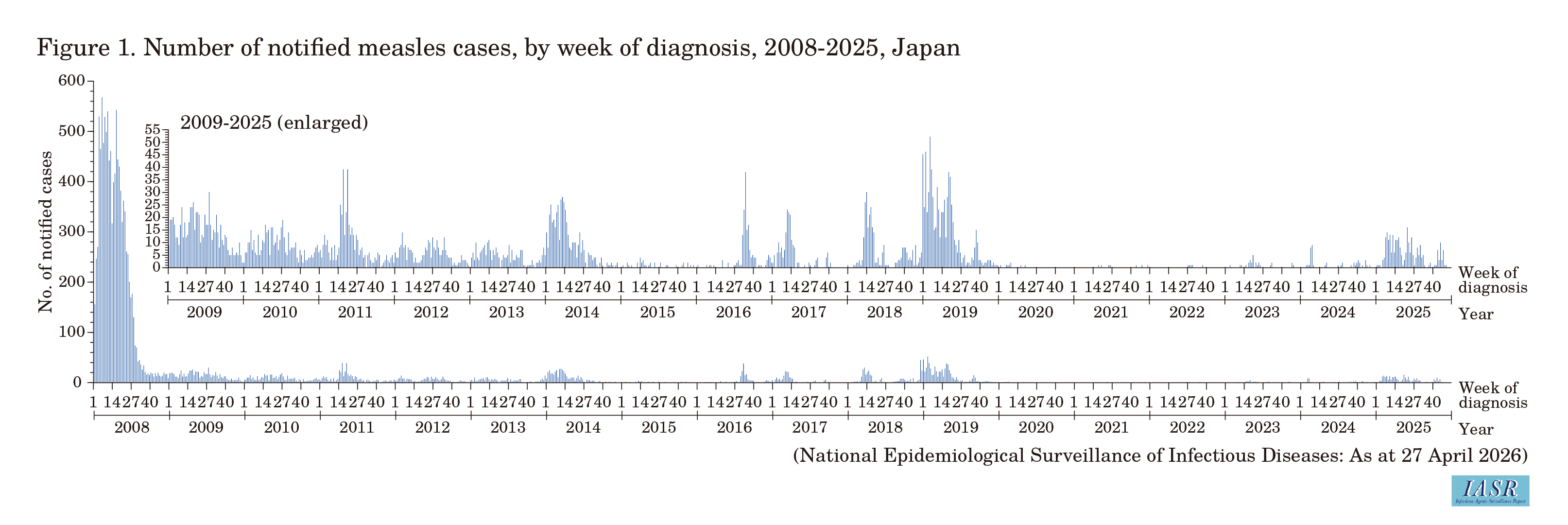
In terms of disease classification for the 265 case-patients reported in 2025, 62 of the 265 were modified measles, which are atypical laboratory-confirmed cases with only one or two of the three main symptoms (fever, rash, and catarrhal symptoms).
Regarding age distribution, patients aged 20 years or older accounted for at least 60% of cases, with particularly large numbers of cases among those in their 20s and 30s (Fig. 2 on p.123).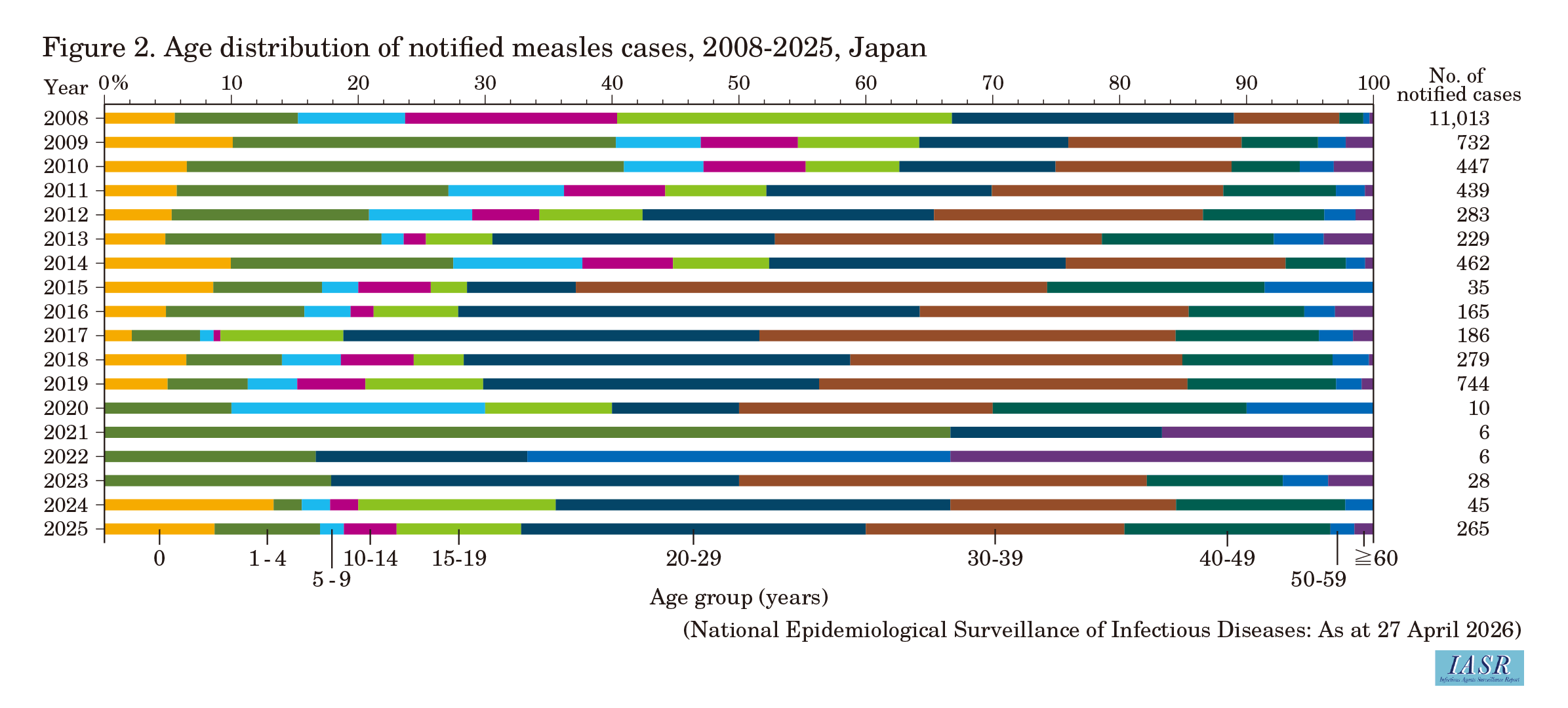
As for vaccination history, 77 cases had no vaccination, 46 had received one dose, 52 had received two doses, and the vaccination history was unknown for 90 cases; 23 cases were aged less than 1 year and had not yet reached the age for routine vaccination (Table 1 on p.122). It should be noted that, because the number of unvaccinated persons in the population is considered to be small, caution is required when comparing the number of cases among vaccinated and unvaccinated persons.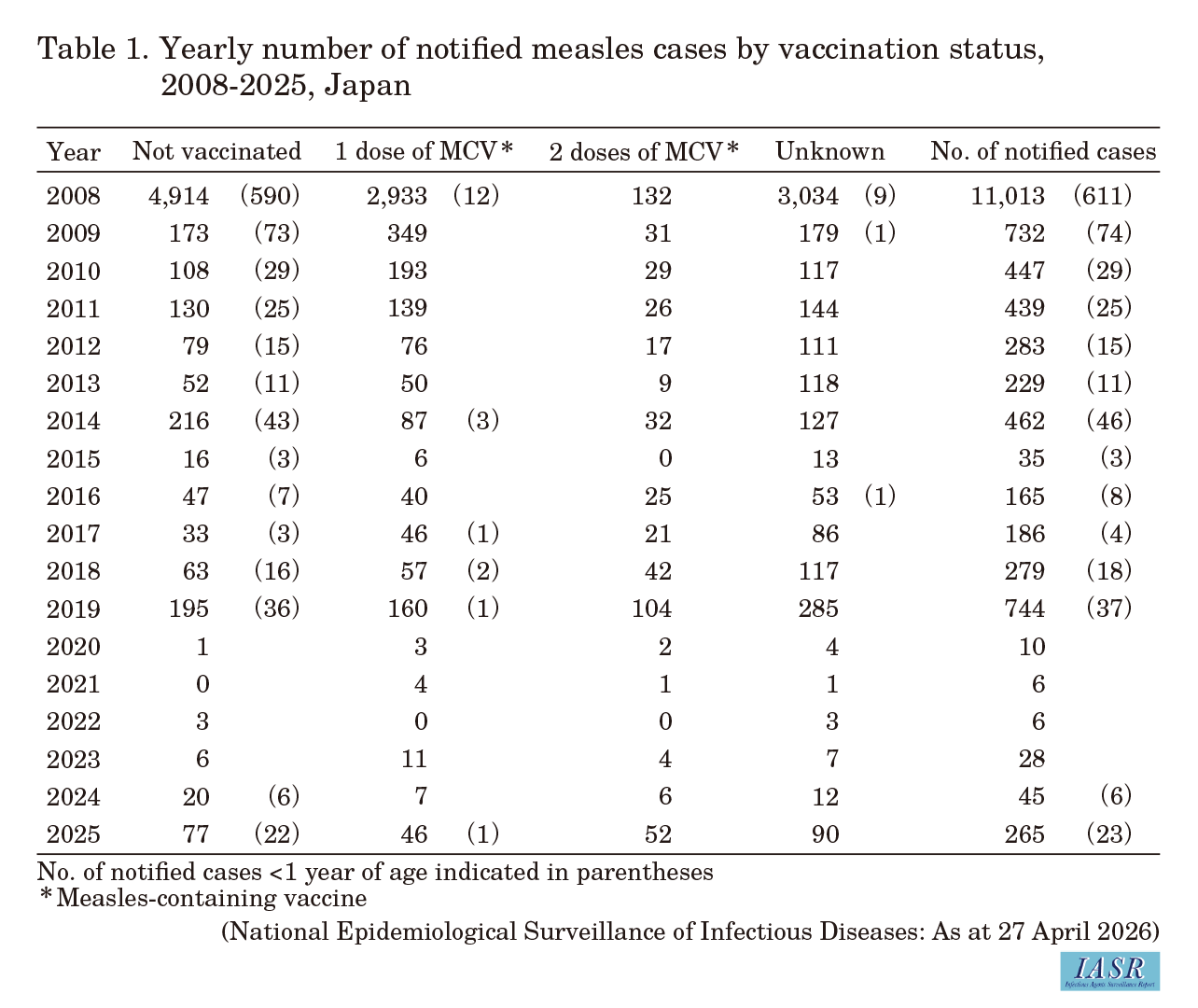
Current practice regarding laboratory diagnosis: As a rule, the Guidelines mandate that both the IgM antibody test and a virus-specific molecular test be performed as laboratory diagnosis for all suspected measles cases. Specimens for IgM antibody testing are sent from medical institutions to private laboratories, and specimens for genetic testing are sent from medical institutions primarily to public health institutes (PHIs) for testing. In 2025, all 265 cases were reported as laboratory-diagnosed cases. The Guidelines recommend performing the real-time RT-PCR test for detecting the viral gene, and, for specimens with positive results, analyzing the 450-base genotyping region of the measles virus N gene. Among the 265 cases in 2025, viral genes were detected in 194 cases, and the genotype could be determined in 186 cases (Fig. 3 on p.123 and Table 2 on p.123). The obtained nucleotide sequence information is used not only for genotyping but also for differentiation from vaccine strains, confirmation of links in outbreaks, and differentiation between imported and non-imported cases.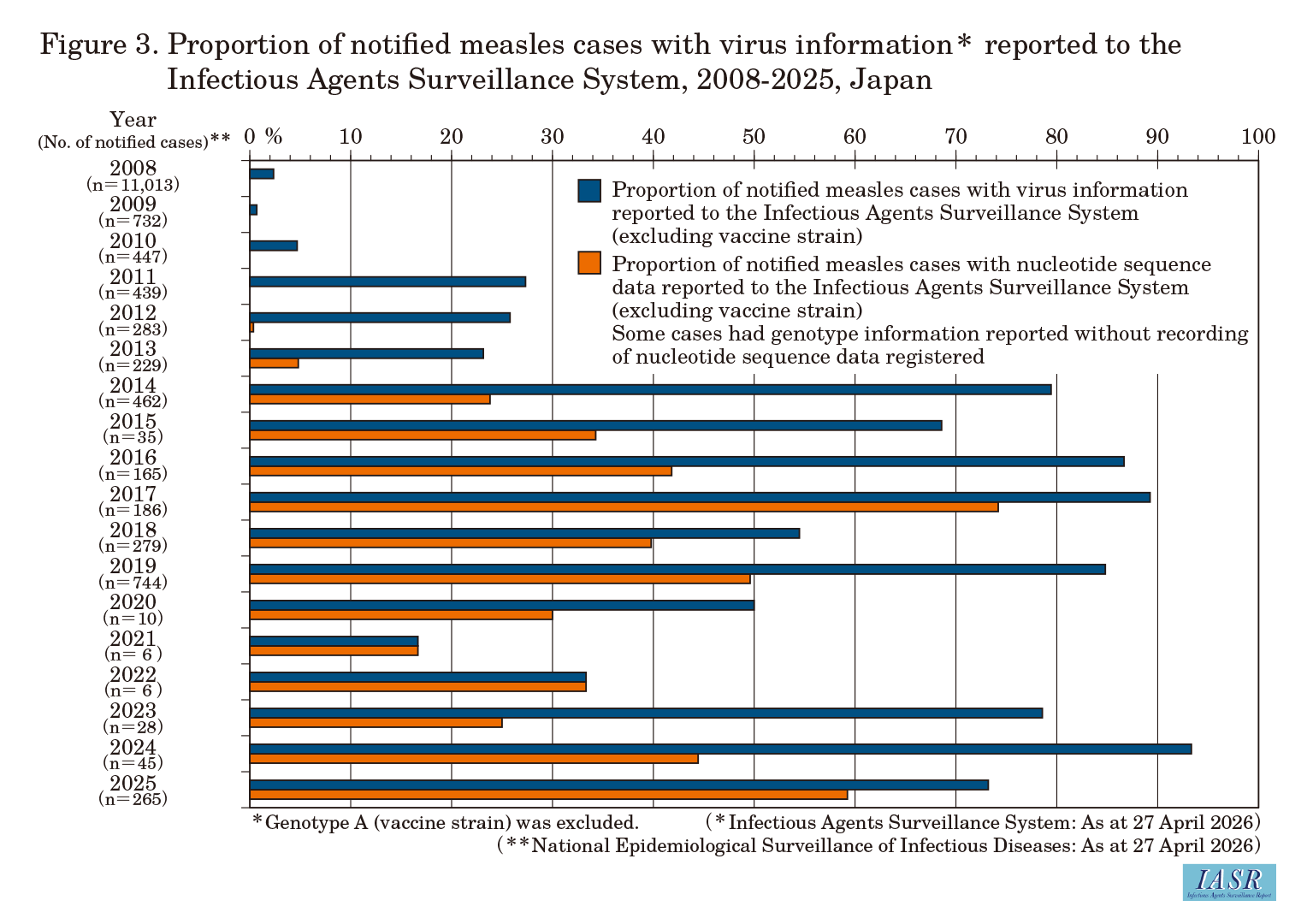
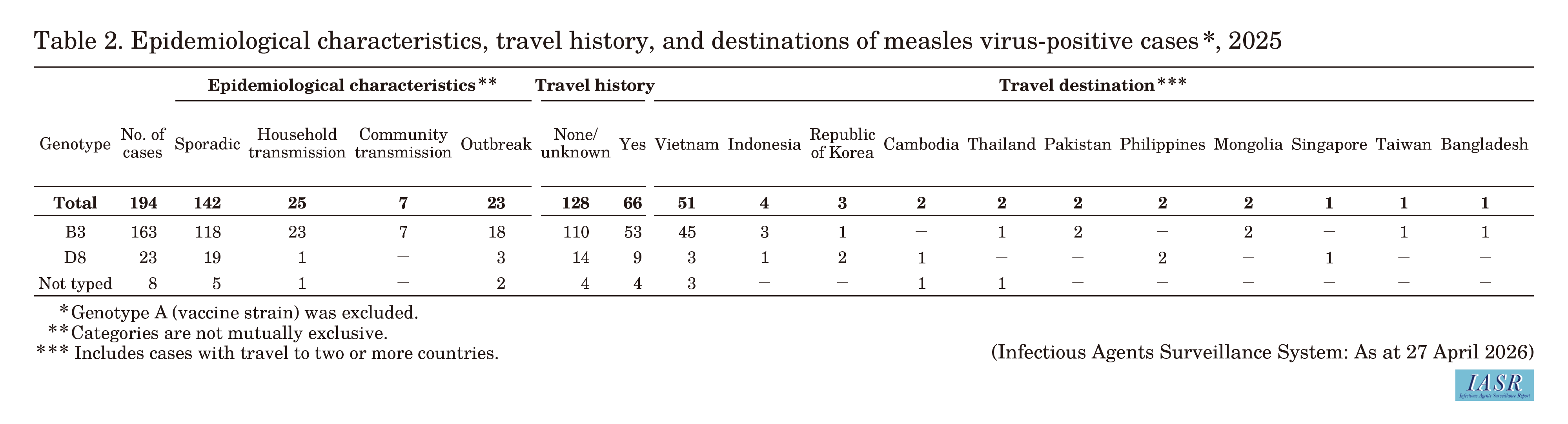
Detection of measles virus (Infectious Agents Surveillance System): Among the 194 cases in which viral genes were detected at PHIs in 2025 and reported to the Infectious Agents Surveillance System of the National Epidemiological Surveillance of Infectious Diseases system, the viral genotype was B3 in 163 cases and D8 in 23 cases, while in 8 cases viral genes were detected but the nucleotide sequence could not be determined (Table 2 on p.123). Among the 194 cases, 66 had a history of overseas travel and were suspected to have been infected overseas, while domestic infection was suspected in at lease 60%. Among cases with a travel history, 51 had a history of travel to Vietnam, accounting for a large proportion (Table 2 on p.123).
Vaccination coverage: Since FY2006, routine measles vaccination has been implemented for children aged 1 year (the 1st dose stage) and for children in the year prior to entering elementary school (the 2nd dose stage). In FY2024, vaccination coverage was 92.7% for the 1st dose stage and 91.0% for the 2nd dose stage, both below the target coverage of 95% (https://www.mhlw.go.jp/bunya/kenkou/kekkaku-kansenshou21/hashika.html). Also, the vaccination coverage for both the 1st and 2nd dose stages were the lowest in the past 10 years.
National Epidemiological Surveillance of Vaccine-Preventable Diseases (NESVPD): In FY2025, measles antibody titers were measured by enzyme immunoassay (EIA) at PHIs in 20 prefectures under the NESVPD. The overall proportion positive for measles EIA antibody titers ≥2 was 96.1%, exceeding the 95% threshold required to prevent an epidemic (Fig. 4 on p.123; see p.127 of this issue).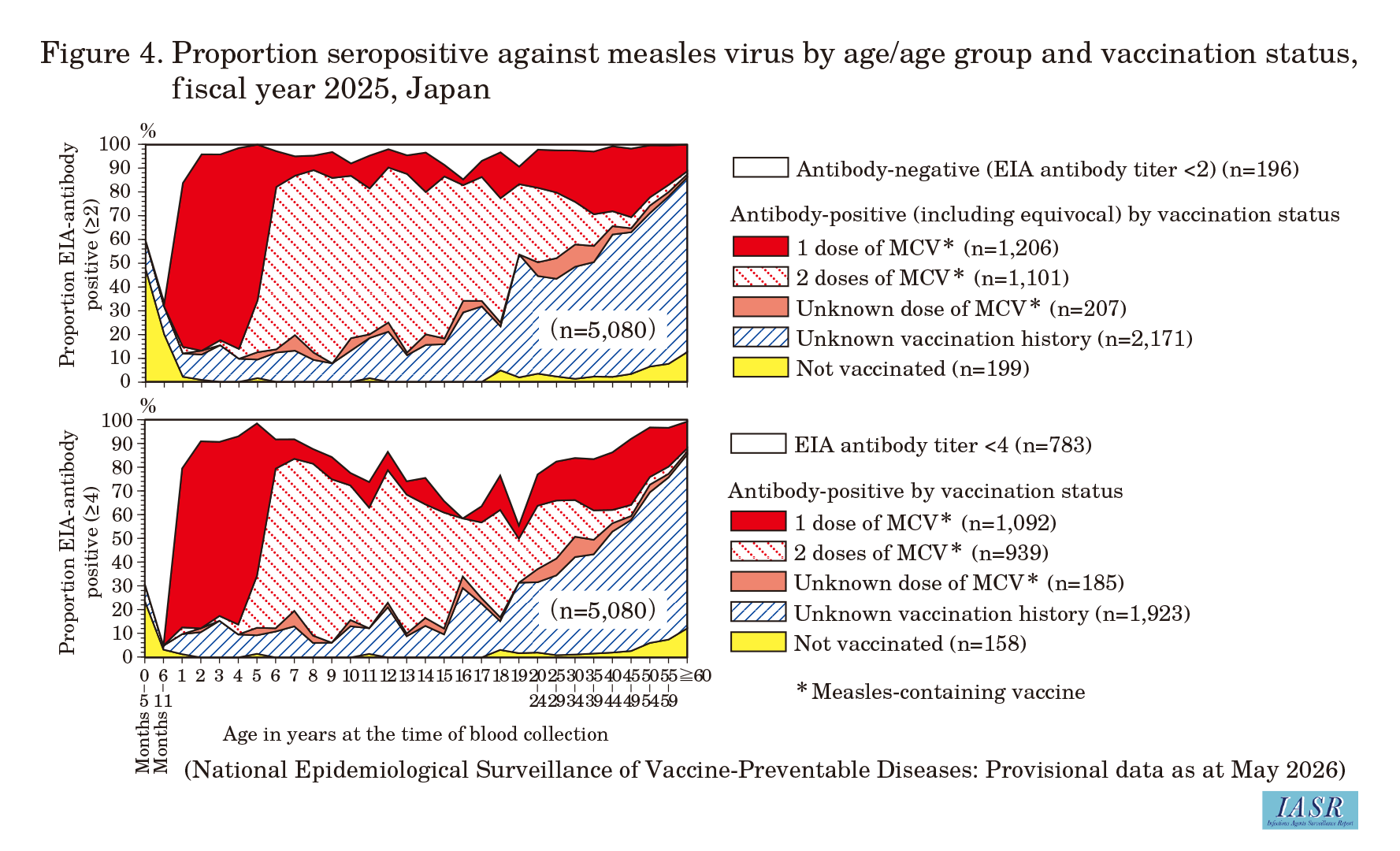
Further measures to be taken: The number of reported measles cases globally, which was approximately 540,000 in 2019, decreased substantially to fewer than 100,000 in both 2020 and 2021 during the COVID-19 pandemic. However, it has remained above 100,000 since 2022, with approximately 280,000 cases reported in 2025, and outbreaks continue in many countries (see p.124 of this issue). In Japan, where measles elimination status has been achieved, measles occurrence often begins with cases imported from overseas. In 2025, there was a record-high number of approximately 42.68 million inbound visitors to Japan, and, representing an increase of 15.8% from 2024, the number of Japanese outbound travelers reached approximately 14.73 million (https://statistics.jnto.go.jp/graph/#graph--inbound--travelers--transition). Such indications of increasing movement of people between Japan and other countries are considered a factor that further increases the risk of measles occurrence.
In 2025, there were also many cases for which the presumed place of infection was considered to be within Japan, underscoring the need to establish an environment in which infection does not spread domestically even when measles virus is imported from overseas. To achieve this goal, as outlined in the Guidelines, the following efforts are important: 1) achieve and maintain vaccination coverage of at least 95% for the two routine doses; 2) maintain a surveillance system based on rapid and definitive diagnostic methods in order to detect patients early and implement appropriate measures to prevent the spread of infection; and 3) recommend vaccination as necessary to medical personnel at high risk of infection, persons working in settings such as airports where there are frequent opportunities for contact with numerous unspecified persons, and persons working in child welfare facilities, schools, and other settings where many cases may occur if measles virus is introduced. In particular, routine vaccination coverage in FY2024 did not reach the target of 95% for either the 1st or 2nd dose stage, and efforts to improve routine vaccination coverage are considered an important challenge. In addition, imported measles may be brought into Japan not only by inbound visitors but also by residents of Japan after traveling to countries where measles is circulating; therefore, measures such as raising awareness among travelers are also important. In recent years, the presumed countries of infection among imported cases have tended to be Southeast Asian countries, including Vietnam, and continued awareness-raising among travelers to these areas remains important. In addition, in 2025, measles resurged in countries that had previously achieved measles elimination, including Canada and the United Kingdom, resulting in revocation of their elimination status (see p.124 of this issue); therefore, raising awareness among travelers to these countries with measles resurgence is also important.
Furthermore, because more than 500 measles cases have been confirmed in Japan from January through the end of May 2026, it is necessary to further strengthen collaborative approaches, including information sharing among local governments, MHLW, Japan Institute for Health Security, and other relevant organizations, in order to monitor the domestic epidemiologic situation and prevent widespread transmission.